🌸 Southern Magnolia Specialists • ISA-Certified Crews

Magnolia Tree Care Tallahassee — Pruning, Disease & Health for Southern Magnolias

Southern magnolia is a Tallahassee landscape signature — the tree state symbol of Mississippi’s neighbor and a centerpiece of historic Florida yards. But magnolias have specific care needs: scale infestations are widespread, pruning timing matters more than most species, and they’re sensitive to bark damage that becomes decay decades later. Our magnolia tree care Tallahassee crews handle pruning, scale treatment, fertilization, removal, and disease diagnosis — ISA-Certified arborists who know what magnolias actually need vs. what looks tidy in the moment.

80+
Years Mature Magnolia Lifespan
60′
Mature Height in Tallahassee
ISA
Certified Arborists
7-Day
Standard Scheduling
🌸Southern Magnolia Pruning 🪲Magnolia Scale Treatment 🩺Disease Diagnosis 🪵Removal When Necessary 🌿Fertilization Programs

Why Southern Magnolias Need Specialized Care

Magnolias are tougher than they look but more sensitive than most owners realize. They tolerate Florida heat, hurricanes, and clay soils — but they don’t tolerate bark damage, aggressive pruning, or root disturbance the way oaks and pines do.

Southern magnolia (Magnolia grandiflora) is native to the U.S. Southeast and grows naturally throughout the Tallahassee region. A mature specimen reaches 60–80 feet tall with a 30–50 foot spread, lives 80–120+ years, and produces the iconic creamy-white fragrant blooms from May through July. They’re evergreen, drop leaves continuously rather than seasonally, and have a dense fibrous root system that’s very sensitive to compaction and grade changes. The wood is brittle compared to oak but heals slower — meaning every wound and pruning cut matters more on a magnolia than on most species.

The other thing about magnolias: they’re sensitive to when you prune them. Wrong-season pruning can suppress next year’s bloom or invite scale infestation. Most landscapers don’t know this and prune magnolias whenever it’s convenient on the schedule. ISA-Certified magnolia tree care Tallahassee work follows the species-specific timing and technique that protects bloom cycles and tree health long-term.

Magnolia Varieties Common in Tallahassee

Most magnolias in Tallahassee are Southern magnolia, but several other varieties show up in landscape plantings. Care needs vary by variety.

Southern Magnolia

Magnolia grandiflora

The big one. Evergreen, 60–80′ mature, large white fragrant blooms May–July, dense leathery leaves with rust-colored undersides. Common in older Tallahassee neighborhoods and as specimen trees throughout Leon County.

Little Gem Magnolia

Magnolia grandiflora 'Little Gem'

Compact cultivar of Southern magnolia. 20–25′ mature height, smaller leaves, blooms more frequently. Popular in newer developments and smaller residential lots where full-size magnolia is too big.

Bracken's Brown Beauty

Magnolia grandiflora 'Bracken's Brown Beauty'

Cold-hardier cultivar of Southern magnolia. Distinctive rust-bronze leaf undersides. Slightly smaller than the species at 30–50′. Common in Tallahassee landscapes after the late 1990s.

Sweetbay Magnolia

Magnolia virginiana

Native swamp magnolia. Smaller (20–35′), semi-evergreen, more open form, smaller more delicate flowers. Tolerates wet feet and is found naturally along creek beds in Leon and Wakulla counties.

Saucer Magnolia

Magnolia x soulangeana

Deciduous Asian hybrid. 20–30′ mature, drops leaves in winter, produces dramatic pink-purple flowers in late winter before leaves emerge. Common as ornamental specimen tree in front yards.

Star Magnolia

Magnolia stellata

Small Asian deciduous magnolia. 10–20′ mature, narrow white star-shaped flowers in early spring. Less common than saucer magnolia in Tallahassee but occasionally shows up in older landscape plantings.

Magnolia Tree Care Services We Provide

From routine pruning to full removal, the work spectrum a Tallahassee magnolia owner is likely to need.

✂️

Magnolia Pruning

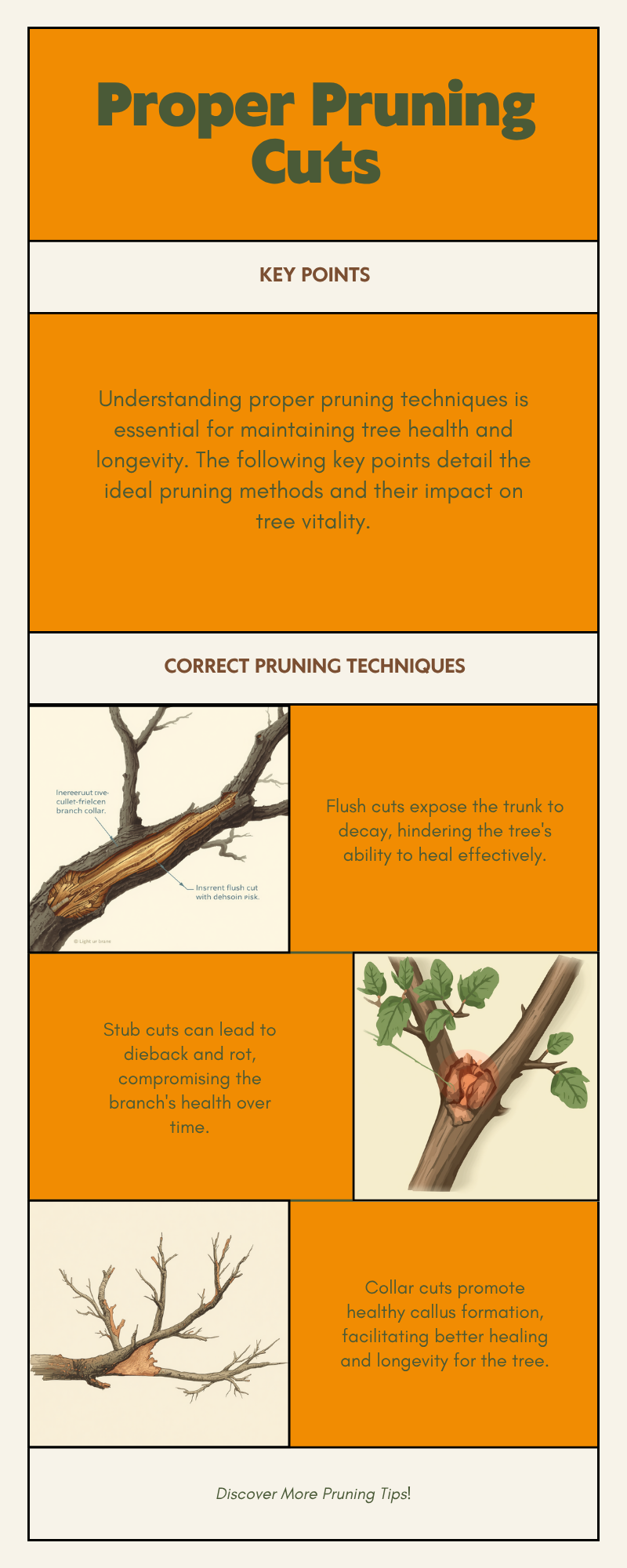
Selective branch removal, structural pruning on young trees, deadwood removal on mature specimens. Done with species-specific timing and cut technique. See tree pruning.

🪲

Magnolia Scale Treatment

The #1 disease problem on Tallahassee magnolias. Systemic soil drench or trunk injection (imidacloprid) suppresses populations. Multi-year treatment for established infestations.

🩺

Health & Disease Diagnosis

ISA-Certified arborist diagnoses canopy thinning, leaf yellowing, branch dieback, and other decline signs. Treatment recommendations follow. See tree disease treatment.

🌱

Fertilization & Soil Care

Deep root injection for stressed mature magnolias. Pairs well with mulch ring establishment around the dripline. See deep root fertilization.

🌪️

Storm Damage Cleanup

Magnolia wood is brittle and limbs fail in hurricanes. We handle post-storm pruning, broken-limb removal, and recovery support. See storm-damaged trees.

🪵

Magnolia Removal

When the tree is past saving — severe decay, structural failure risk, or location conflict — full removal with rigging or crane access. See tree removal.

🪺

Stump Grinding

After magnolia removal, stump grinding 4–6 inches below grade clears the way for replanting. See stump grinding.

📋

Risk Assessment

For mature magnolias near structures, formal risk assessment documents tree condition. Useful for insurance, HOA, and pre-storm decisions. See risk assessment.

🌿

Mulching & Bed Establishment

Proper mulch ring around magnolia’s sensitive root system — off the trunk, out to the dripline. Highest-leverage move on most established magnolias. See mulching.

Common Magnolia Problems in Tallahassee

A handful of issues account for most magnolia tree care Tallahassee calls. Here’s what to watch for and how it’s treated.

Magnolia Scale

SymptomsLarge brown/tan bumpy scale insects on twigs and small branches. Heavy honeydew dripping from canopy. Black sooty mold on leaves and bark. Branch dieback over 2–3 years if untreated. Most common magnolia issue in Tallahassee.

TreatmentSystemic soil drench (imidacloprid) in spring, or trunk injection in late summer when crawlers are active. One or two annual treatments usually clears established infestations. See disease treatment.

Sooty Mold (Scale Secondary)

SymptomsBlack sooty coating on leaves, twigs, and anything below the canopy — cars, patios, garden furniture. Fungus grows on the honeydew secreted by scale insects.

TreatmentTreat the underlying scale infestation; sooty mold disappears within 2–3 months once the honeydew source is gone. Don’t treat the mold directly — treat the cause.

Magnolia Leaf Spot Diseases

SymptomsBrown or black spots on leaves, sometimes with yellow halos. Various fungal pathogens (algal leaf spot, anthracnose). Cosmetic issue more than structural threat in most cases.

TreatmentUsually no treatment needed on healthy trees. Improve air circulation through selective pruning, rake and dispose of fallen leaves to break the disease cycle, and avoid overhead watering.

Storm Limb Failure

SymptomsMajor scaffold limbs breaking during thunderstorms or hurricanes. Magnolia wood is brittle relative to oak; mature limbs over 6″ diameter at high angle attachments are most vulnerable.

TreatmentPre-storm structural pruning to reduce wind sail load. Cabling on high-value specimens with co-dominant leaders. See tree cabling and hurricane prep.

Trunk Wounds & Decay

SymptomsBark damage from lawnmowers, weed-eaters, or impact injuries that progress to decay over 5–15 years. Magnolias compartmentalize wounds slowly — old damage shows up much later.

TreatmentPrevent the damage in the first place with proper mulch rings. Existing wounds rarely benefit from intervention; document, monitor, and address structural concerns through pruning or cabling as decay progresses.

Iron Chlorosis

SymptomsYellowing leaves with green veins, especially on younger growth. Caused by iron deficiency from high soil pH (alkaline soils). Common on magnolias planted in disturbed construction soils or near concrete foundations.

TreatmentSoil acidifier (sulfur) and chelated iron applications. Long-term: improve soil pH through organic amendments. Severe cases benefit from deep root fertilization.

Root Compaction Stress

SymptomsGeneral canopy thinning, premature leaf drop, smaller-than-normal new leaves. Common on magnolias in high-traffic areas or where construction disturbed root zones within the dripline.

TreatmentSoil decompaction through air-spading or vertical mulching, paired with mulch ring establishment and possibly fertilization. Multi-year recovery; expect visible response in 2–3 seasons.

Construction Impact Decline

SymptomsDecline beginning 1–5 years after nearby construction (driveway, pool, addition, fence trenching). Magnolias are particularly sensitive to root damage and grade changes within the dripline.

TreatmentOften unrecoverable if root damage was severe, but supportive care (mulching, fertilization, deep watering during droughts) extends life. Evaluate severity before committing to long-term treatment programs.

For detailed identification and management information on these and other magnolia issues, the UF/IFAS EDIS plant database publishes peer-reviewed extension publications maintained by University of Florida arboriculture and plant pathology specialists.

Magnolia Looking Off? Get a Real Diagnosis.

ISA-Certified arborist visits same-week, walks the tree, identifies what’s actually wrong, and recommends the right intervention — not the most expensive one.

When to Prune Magnolias in Tallahassee

Pruning timing matters more for magnolias than most species. Wrong-season cuts can suppress flowering, invite scale, or stress the tree.

Apr–MayBest window. Just after spring flush, before summer heat. Wounds heal cleanly.
JunAcceptable. Bloom cycle starting; light shaping OK, avoid heavy cuts.
Oct–NovAcceptable for storm-damaged limbs only. Avoid heavy structural pruning.
Feb–MarStrong second window. Pre-bloom dormancy. Best for structural work on young trees.
Storm onlyHazard limbs & broken branches anytime — safety overrides season.

For most Tallahassee magnolias, a single annual pruning visit in February–March or April–May is plenty. Healthy mature magnolias don’t need much intervention — selective deadwood removal and minor shape adjustment is usually sufficient. Heavy pruning, topping, or rounding-over is harmful and rarely justified. See our tree topping alternative page for why.

How a Magnolia Care Visit Works

Whether the work is diagnosis, pruning, scale treatment, or removal, the on-site workflow looks similar.

On-Site Walkthrough

ISA-Certified arborist examines the tree. Variety identification, age estimate, structural review, signs of pest pressure or disease, root flare condition, surrounding site conditions.

Identify the Right Intervention

Pruning, treatment, fertilization, removal, or just monitoring. Different magnolia issues call for different responses; the diagnosis comes before any chainsaws or sprayers.

Written Quote

Itemized scope, products used (for treatments), expected outcome timeline, and price. Same-day for simpler scopes; 1–3 business days for multi-tree or multi-service work.

Schedule Within Right Window

Pruning gets scheduled in the right season. Scale treatment hits the right life-cycle stage. Emergency work (storm damage, hazard limbs) goes immediately regardless of season.

Execute With Species-Specific Technique

Pruning cuts at proper lateral branches with sterilized tools. Treatment products applied at correct rates and locations. Care taken to protect bark on this sensitive species.

Cleanup & Documentation

Brush chipped, pathways cleared, treatment record provided. Photos for the records on larger jobs and any treatment program. Final walkthrough with homeowner.

Follow-Up Plan

For multi-year treatment programs (scale, iron chlorosis, recovery from construction impact), we schedule the next visit before leaving and document expected progression.

Annual or Bi-Annual Check-In

Established magnolias benefit from one visual health check per year. Many homeowners pair this with annual pruning visits in the right season for cost efficiency.

Magnolia Tree Care Pricing in Tallahassee

Pricing varies based on tree size, scope, and whether it’s a one-off visit or an ongoing care program.

ServiceTypical RangeNotes
Diagnostic visitFree with treatment / $95–$175 standaloneISA-Certified arborist walkthrough
Annual pruning (mature magnolia)$300 – $750Selective deadwood + light shaping
Major structural pruning$650 – $1,800Multi-year cycle work
Magnolia scale treatment (per tree)$150 – $400Soil drench or injection
Multi-year scale program$300 – $800/yearEstablished infestations
Deep root fertilization (per tree)$200 – $400Stressed or recovery cases
Magnolia removal (mature, 40–60′)$1,400 – $4,200Brittle wood, careful rigging needed
Storm-damage cleanup$400 – $2,500+Per-event basis
💰 Most magnolia care work is significantly cheaper than removal — a $300–$400 scale treatment is far better economics than letting an infestation kill the tree, which then requires $2,000+ removal.

Magnolia Tree Care Tallahassee FAQs

How often should I prune my Southern magnolia?

Most healthy mature Tallahassee magnolias need light annual pruning — selective deadwood removal and minor shape adjustment. Heavy pruning is rarely beneficial. For young trees (under 10 years), structural pruning every 2–3 years sets up good long-term form. Scheduling once a year in the February–March or April–May window is the standard for established trees.

What is magnolia scale and how do I treat it?

Magnolia scale (Neolecanium cornuparvum) is a soft-bodied scale insect that forms large brown bumps on twigs and branches. It produces honeydew that drips down, creating sticky leaves and black sooty mold. Treatment is systemic insecticide (imidacloprid) applied as soil drench in spring or trunk injection in late summer. Most established Tallahassee infestations clear with one or two annual treatments. Call (850) 555-0123 if you suspect scale on your magnolia.

Why is my magnolia dropping leaves all year?

Magnolias are evergreen but drop leaves continuously rather than seasonally — about a third of the canopy turns over each year, with peaks in spring before new growth and again in fall. This is normal. Heavy unusual leaf drop, especially with discoloration first, suggests stress or disease and warrants a diagnostic visit.

Can I plant grass under a magnolia?

You can but it’s a losing battle. Magnolias create dense shade, drop leaves continuously, and have shallow root systems that compete with grass for water and nutrients. The healthier and easier-maintained option is a mulch ring out to the dripline — better for the tree, less work for you. See mulching service.

Is my magnolia hurricane-resistant?

Moderately. Magnolias have decent root systems and dense low-center-of-gravity canopies, but the wood is brittle and individual limbs fail in high wind. Mature magnolias with multiple co-dominant leaders are at higher risk than single-trunk specimens. Pre-storm structural pruning and selective limb reduction reduce failure risk. See hurricane tree prep.

Will fertilizer help my magnolia bloom more?

Sometimes. If the tree is nutrient-deficient (visible iron chlorosis or generally pale leaves), targeted fertilization can improve bloom. If the tree is healthy and just naturally a sparse bloomer that year, fertilizer won’t do much — magnolia bloom intensity varies year to year. Excess nitrogen actually reduces flowering. Deep root fertilization with balanced low-N blends is the right approach when fertilization is warranted.

Do I need a permit to remove a magnolia in Tallahassee?

Probably yes. The City of Tallahassee §5-83 ordinance requires a tree removal permit for most trees over 4″ DBH on most properties. The 36″ DBH heritage tree exemption applies to certain native species but doesn’t generally cover magnolias under that threshold. Always check before removal. See our permit guide.

How long do Southern magnolias live?

Healthy Southern magnolias in Tallahassee can live 80–120+ years. Many of the mature specimens in older neighborhoods are 60–80 years old and still in their prime. Lifespan depends heavily on early-life conditions — trees damaged during construction or maintained poorly during their first 20 years rarely make it past 50.

Can magnolias be planted close to the house?

Southern magnolias get big — 60′ tall, 30–50′ wide. Plant at least 25 feet from the house, ideally 35′+. Smaller cultivars like Little Gem (20–25′) can be sited closer at 15′+. Planting too close means future expensive pruning, root issues with foundations, and eventual removal pressure. See best trees to plant for siting guidance.

Do you serve areas outside Tallahassee city limits?

Yes — ISA-Certified magnolia tree care Tallahassee crews dispatch throughout Leon County and into Wakulla, Gadsden, and Jefferson Counties. Magnolias are widespread throughout North Florida; we cover wherever they grow.

Magnolias Across Tallahassee Neighborhoods

Magnolias are everywhere in Tallahassee, but the specific challenges differ based on neighborhood age, soil conditions, and how landscapes have been managed over time.

In the historic neighborhoods — Myers Park & Betton Hills, Midtown, and parts of Northwest Tallahassee — mature Southern magnolias are 60–100+ years old. Many were planted as small saplings during the original neighborhood builds in the 1920s through 1950s and are now 50–75 feet tall with massive trunk diameters. The challenge in these neighborhoods is preserving aging trees that often have decades of accumulated bark damage, mulch volcano scars, and previous topping cuts. Magnolia tree care Tallahassee work in these neighborhoods leans heavily toward preservation: structural pruning to compensate for past damage, scale treatment programs, and supportive fertilization. Call (850) 555-0123 to schedule a heritage-tree assessment.

In the suburban-era neighborhoods — Killearn Estates, Killearn Lakes, and similar 1970s–1990s developments — magnolias planted at neighborhood build are now in their 30–50 year prime. These trees are typically healthy but often have form issues from minimal early structural pruning. Co-dominant leaders, included bark, and crowded canopies show up regularly. Mid-life corrective pruning over 2–4 cycles can reset structural problems before they become storm-failure risks.

In newer developments — Southwood, Bradfordville, and similar 2000s–present neighborhoods — the magnolias are usually Little Gem cultivars or younger Southern magnolias planted in reworked construction soils. The biggest issues are iron chlorosis from soil pH and root compaction from dense turf around the trunks. Establishing proper mulch rings and addressing soil quality early sets these trees up for the next 50–80 years of growth. Call (850) 555-0123 for new-development magnolia care.

Outside the city limits — Wakulla County, Crawfordville, Monticello, Quincy — native sweetbay magnolias appear in wetter low-lying areas alongside planted Southern magnolias. Sweetbay needs different care than Southern magnolia: it tolerates wet feet, drops more leaves, and is less affected by scale insects. Magnolia tree care Tallahassee crews handle both species and adjust technique accordingly. Rural property scheduling sometimes adds a small mileage adjustment but otherwise runs on the same workflow as in-town visits, with the same ISA-Certified arborist sign-off and the same species-specific treatment protocols. Call (850) 555-0123 for rural-property magnolia work and we’ll schedule a same-week visit during the next dispatch cycle through your specific area, usually within 7–10 days of the call.

Related Tallahassee Tree Services

Magnolia care intersects with most tree-care services. Most relevant pages below.

Care for Tallahassee’s Magnolias the Right Way.

Magnolia tree care Tallahassee work is species-specific. Pruning at the right season, scale treatment with the right product at the right life stage, and the discipline to recommend removal only when the tree truly can’t be saved. ISA-Certified arborists, same-week scheduling, fair pricing.

Tallahassee Canopy & Storm Context

Tallahassee's canopy-road system includes many of these trees, putting them under the City's §5-83 protected-tree ordinance. Hurricane Hermine (2016), Hurricane Helene (2024), and the May 2024 tornado each affected the species differently — survival and decline patterns now inform how our ISA-certified crews assess and prune across Cody Scarp uplands and protected zones.

Call Now – Free Estimate