Clearing a homesite off Spring Creek Road, opening a hunting lot, or knocking back palmetto and pine to build in Crawfordville means working around wetlands, septic siting, and Wakulla’s sandy, water-prone ground. Done right it’s selective and permit-aware, not a bulldozed moonscape. Here’s how land clearing works in Wakulla County and how to get matched with a licensed crew.
Get matched with a Wakulla land-clearing crew
Call now and we’ll connect you with a licensed, insured Wakulla County crew for a no-obligation clearing quote.
Storm damage or a tree on your house? Call now.
Stay out of rooms under the tree and keep clear of downed lines — report those to the power company first. Then call and we’ll connect you with a local tree crew that handles storm work.
📞 Call (858) 319-0022Free 24/7 dispatch line · availability varies by storm volume
Clearing in Wakulla means working with the water
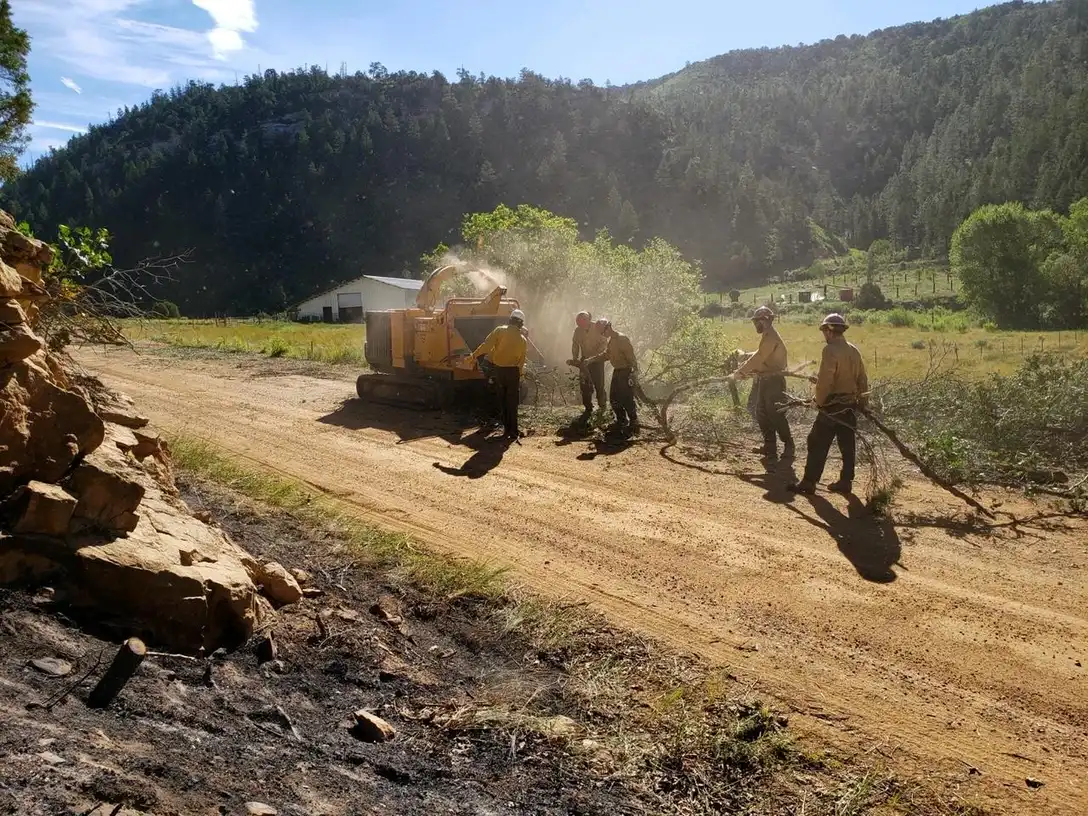
Wakulla County is defined by water — springs, the Wakulla and St. Marks rivers, coastal marsh, and a high water table under sandy flatwoods. That makes wetlands and drainage the first question on any clearing job, not an afterthought. A responsible crew identifies wetland lines and setbacks before a machine moves, because clearing into a regulated wetland can mean state and federal trouble. On buildable upland, the work is selective: drop and remove the pines and hardwoods you don’t want, grind or pull stumps, knock back the palmetto and gallberry understory, and leave the grade ready for a pad, drainfield, or pasture. It’s the big-scope cousin of land clearing across the area.
What clearing a Wakulla lot involves
- Underbrush & palmetto — the dense saw-palmetto and gallberry mat is the bulk of the work on most flatwoods lots.
- Pine & hardwood removal — selective drop of slash pine, oaks, and sweetgum, hauled or mulched.
- Stump grinding or grubbing — depending on whether you’re building or just opening the lot.
- Forestry mulching — where you want material left on site as ground cover instead of hauled.
- Grade & cleanup — leaving the site ready for the next step.
Septic siting and the drainfield
Most Wakulla building sites are on septic. Where the drainfield goes drives which trees and roots must be cleared and grubbed, because you can’t site a field over heavy root mass or too close to certain trees. Clearing, septic permitting, and the building pad are one connected plan — a crew that has done Wakulla homesites will coordinate the clearing to your septic and site layout rather than clearing blind. Keeping a few mature shade trees well away from the field is usually smart.
Selective vs. full clearing
You rarely need to scrape everything. Selective clearing keeps the mature live oaks and specimen pines that give a Wakulla homesite its value and shade, removing only what’s in the build footprint, the drive, and the drainfield. Full clearing makes sense for pasture, food plots, or dense scrub with nothing worth keeping. An honest crew walks the parcel with you and prices the scope you actually need — and flags anything that looks like wetland or a protected situation before you commit. For finishing leftover stumps, that’s stump grinding.
Wakulla land-clearing FAQs
Do I need a permit to clear land in Wakulla County?
Often, yes, depending on parcel size, location, and whether wetlands are involved. Clearing near or into a regulated wetland can require state and sometimes federal permitting. Confirm requirements with Wakulla County and the relevant agencies before clearing; a local crew will know the usual thresholds and flag concerns.
How does the wetland and high water table affect clearing?
It’s the central constraint in Wakulla. Wetland setbacks limit where you can clear, and the sandy, water-prone ground affects machine access and timing. A responsible crew identifies wetland lines and plans access and drainage before any clearing starts.
Should I clear everything or keep some trees?
Usually keep the mature live oaks and specimen pines that add value and shade, and clear only the build footprint, drive, and drainfield. Full clearing makes sense for pasture or dense scrub with nothing worth saving. A crew should price the selective scope you actually need.
What’s the difference between hauling debris and forestry mulching?
Hauling removes the cleared trees and brush from the site entirely. Forestry mulching grinds the material in place into a ground cover, which avoids haul costs and leaves erosion-controlling mulch, but isn’t right where you need bare graded soil for a pad. The choice depends on your end use.
How is land clearing priced?
By the acre and the density, mostly. Light underbrush and palmetto on open flatwoods is cheaper per acre than heavy timber with large stumps, and stump grinding, haul-away, and grading are added scope. A crew prices it after walking the parcel; there’s no honest per-acre number sight-unseen.
Ready to open up your lot?
Call now and tell us about the parcel. We’ll match you with a licensed, insured Wakulla crew for a no-obligation site quote.
Serving Crawfordville, Sopchoppy, Medart, and all of Wakulla County, FL. Content reviewed June 2026. Tallahassee Tree Service connects landowners with independent licensed clearing professionals and does not perform the work directly.