Shrub & Hedge Trimming in Tallahassee, FL
Ligustrum swallowing the front windows, a cherry laurel screen that’s gone hollow in the middle, camellias someone sheared in December and stripped of every bud. Call now and we’ll connect you with a vetted, licensed and insured local pro who prunes woody shrubs properly instead of shearing them flat.
📞 Call Now — (858) 319-0022Not sure what you’ve got planted? Call now and describe it — the pro will identify it on site.Shrubs are the part of a Tallahassee landscape that most crews get wrong, because most crews approach a hedge with a gas shear and a straight line in mind. That works fine for a boxwood in a formal garden. It is exactly wrong for the woody ornamentals that actually grow here — ligustrum, viburnum, podocarpus, wax myrtle, cherry laurel, holly, loropetalum, gardenia, and above all the azaleas and camellias this city plants by the thousand.
The mistake compounds. A shrub sheared season after season builds a dense green shell on the outside and goes bare and twiggy inside, because no light reaches the interior anymore. Three or four years in, the hedge looks thin, drops leaves from the bottom up, and can no longer be cut back without exposing bare wood that will never refill. What you needed was selective hand pruning mixed in with the shaping. What you got was a haircut, repeated until the plant had nothing left underneath.
What the pros in our network trim
- Privacy hedges — ligustrum, viburnum, podocarpus, wax myrtle, cherry laurel. The standard Tallahassee screen, and the plants most often ruined by repeat shearing.
- Foundation shrubs that have grown into the eaves, blocked the windows, or started rubbing against siding — a real moisture and pest pathway into the house in our humidity.
- Flowering ornamentals — azalea, camellia, loropetalum, gardenia — cut on a bloom-aware schedule so next season’s flowers survive the pruning.
- Hollies and large evergreens shaped, raised, or reduced without butchering the form.
- Overgrown screens that need staged renovation pruning across a season or two rather than one brutal cut-back.
- Crape myrtles — technically a small tree, but they end up in the same conversation. See crepe myrtle trimming and please, no crape murder.
The Tallahassee pruning calendar — timing is most of the job
Zone 8b gives us a long, warm growing season, which means shrubs here flush hard and recover fast. That is good news and it is also the trap: because the plants bounce back, people prune whenever it is convenient, and then wonder why the azaleas didn’t bloom.
| Plant | Right window | Why it matters here |
|---|---|---|
| Azalea | Right after flowering finishes, generally spring | Sets next year’s buds through summer. Prune it in winter and you are cutting off the flowers you are waiting for. |
| Camellia (japonica & sasanqua) | Right after bloom — sasanqua in late fall/winter, japonica in late winter/early spring | Same bud logic as azalea, on a different clock. Tallahassee is camellia country; get the timing wrong and you lose a whole season of the thing you planted it for. |
| Ligustrum, viburnum, podocarpus, wax myrtle | Late winter, with light touch-ups through the growing season | Foliage plants — wide window. These take shaping well as long as you keep light getting into the interior. |
| Cherry laurel | Late winter | Fast, coarse, and prone to going hollow inside if it is only ever sheared. |
| Gardenia & loropetalum | Just after flowering | Both bloom on older wood. Late-season cuts remove the buds. |
| Holly | Late winter | Cut before the spring flush and it fills in cleanly. Cut in fall and you take the berries. |
There is a second, quieter reason timing matters in this climate: airflow. Our summers are humid enough that a shrub with a solid sheared shell holds moisture in its interior for days. That is how you get leaf spot, sooty mold on the honeydew from scale insects, and the general shabby look people blame on the soil. Opening the interior with selective cuts — not just trimming the outside — is the actual fix.
Shrubs growing into the siding, or a hedge that’s gone hollow in the middle? Both are fixable, but the longer a screen stays sheared the fewer options are left.
📞 Call Now — (858) 319-0022Vetted local pros — availability depends on independent provider schedules and demand.*Shearing versus pruning — the difference that costs you a hedge
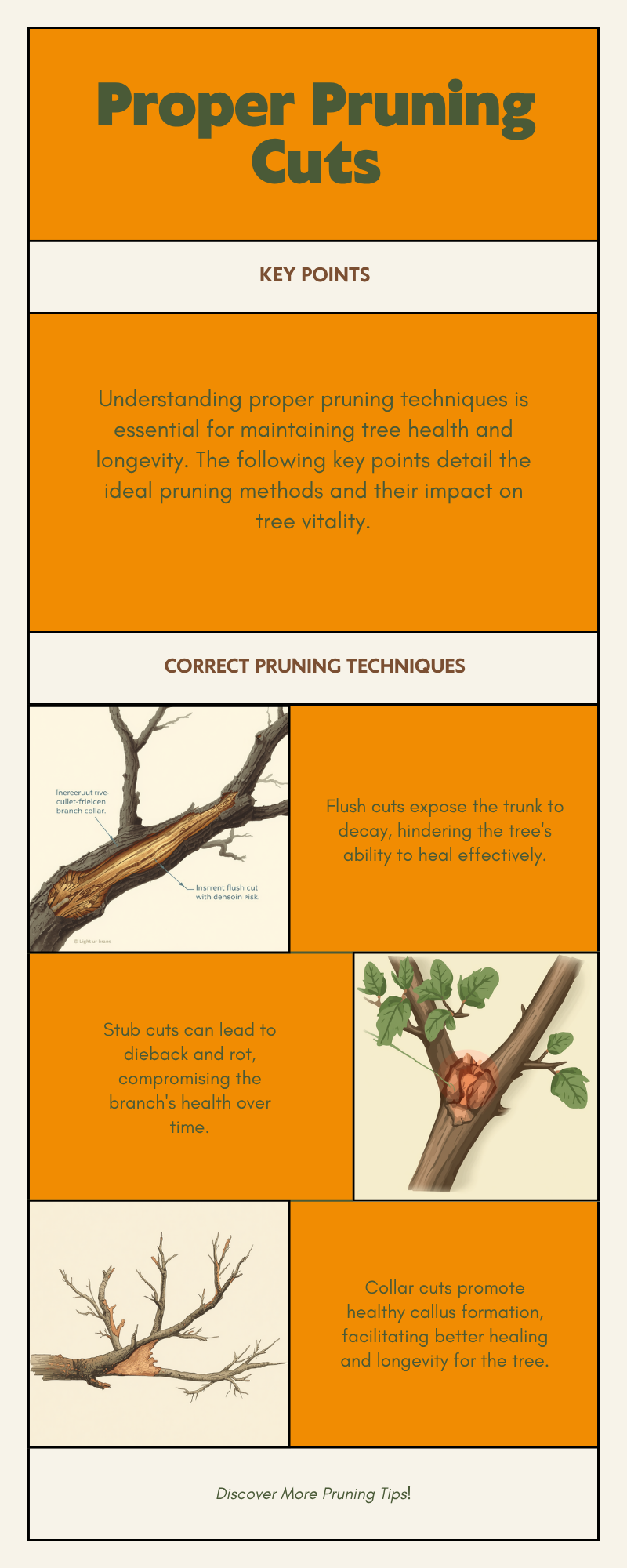
Shearing cuts everything at a uniform plane, regardless of where the cut lands on the branch. It is fast, it looks tidy for about three weeks, and it triggers a dense flush of growth right at the cut surface. Repeat that and the outer shell thickens while the interior starves for light and dies back. Eventually the plant is a green box wrapped around a nest of bare sticks.
Selective pruning reaches into the plant and removes whole branches back to a junction, which keeps the shrub’s natural structure, lets light reach the interior, and keeps the plant full from the ground up. Most good hedge work is a blend: shape the outside, but reach in and take out enough to keep the middle alive.
Renovation pruning — bringing a hollow hedge back
If your screen is already a shell — leafy outside, hollow inside, bare at the bottom — a single hard cut-back is a coin flip. Ligustrum and cherry laurel usually re-sprout from old wood. Podocarpus is stubborn about it. The right approach is staged: reduce one side or one third at a time across a season or two, let the plant push new interior growth into the light you just opened, then take the next section. Slower, but you end up with a hedge instead of a row of sticks.
How getting matched works
What drives the scope of a shrub and hedge job
Shrub work is scoped to the property — these are the typical local-market drivers, not our prices. The pro you are matched with gives the binding written quote after seeing the beds.
| Factor | Why it moves the number |
|---|---|
| Linear feet of hedge | A 20-foot foundation row and a 120-foot property-line screen are different days of work. |
| How overgrown | Maintenance trimming is quick. Renovating a screen that has not been touched in five years is a project. |
| Plant count and size | Twelve foundation shrubs at chest height versus four 12-foot ligustrums — volume of material, not just count. |
| Debris volume | Hedge clippings are bulky. Haul-off from a fenced backyard costs more time than a curbside pile. |
| Access | Beds against a fence line, on a slope, or wedged between the house and an AC unit all slow the work down. |
| Ladder or lift work | Anything above reach height changes the equipment and the safety setup. |
Before you call — how to describe your shrubs
- Roughly how long is the hedge, and how tall? Length and height together tell a pro almost everything.
- How long since it was last cut? One season is maintenance. Five years is renovation.
- Do you know what it is? If not, describe the leaf — glossy and dark says ligustrum or cherry laurel; small and dull says azalea.
- Are you trying to keep a bloom? Say so. It changes the timing advice completely.
Frequently asked questions
What does shrub and hedge trimming cost in Tallahassee?
It is scoped to the property — hedge length, how overgrown it is, plant count and size, access, and debris volume all move the number, so there is no honest flat figure to publish. The local pro you are matched with walks the beds and gives a binding written quote before anything is cut.
When should I prune azaleas and camellias?
Right after they finish blooming. Both set the following year’s buds during the previous season, so a winter shearing removes the flowers you are waiting for. Sasanqua camellias bloom in late fall and winter; japonicas run later, so prune each just after its own bloom finishes.
Can an overgrown, hollow hedge be brought back?
Usually, yes — through staged renovation pruning across one or two seasons, so the plant refills with interior growth instead of being cut to bare wood all at once. Ligustrum and cherry laurel re-sprout readily; podocarpus is slower about it.
Why does my sheared hedge look thin and bare at the bottom?
Because shearing thickens the outer shell until no light reaches the interior, and the inner growth dies back. The fix is selective pruning that reaches into the plant and opens it up, not another pass with the shears.
Are the clippings hauled away?
That is part of the scope you agree with the pro. Hedge debris is bulky, so haul-off is usually a line item on the quote — and it is worth confirming up front rather than discovering a pile on the curb afterward. See tree debris removal.
My shrubs are touching the house. Does that matter?
Yes. Foliage against siding in Tallahassee humidity traps moisture and gives insects a bridge straight onto the structure. Pulling plantings back off the wall is one of the cheapest bits of home maintenance there is.
Related Tallahassee tree services
Tree Trimming
Tree Pruning (ANSI A300)
Crepe Myrtle Trimming
Brush Removal
Debris Removal
Mulching Service
Why Not To Top
Palm Tree Trimming
Get your hedges cut properly, not sheared flat
Call now and we’ll connect you with a vetted, licensed and insured Tallahassee-area shrub and hedge pro. Free to use, no obligation, no sign-up.
📞 Call Now — (858) 319-0022Tallahassee Tree Service is a free referral service. Tallahassee Tree Service is not a licensed tree service provider and does not directly provide tree care services. All work is performed by independent, licensed and insured third-party providers in your area. Calls and form submissions placed through this site may be connected with a participating provider, and you may be contacted by that provider regarding your request. Same-day, emergency, and 24/7 availability are not guaranteed and depend on provider schedules, location, and demand. Service availability, pricing, licensing, and final response times are determined solely by the providers. It is the responsibility of the homeowner to verify that the hired contractor furnishes the necessary license and insurance required for the work being performed. All persons depicted in a photo or video are actors or models and not contractors listed on Tallahassee Tree Service.