SouthWood’s trees are young by Tallahassee standards — planted live oaks, sycamores, and crepe myrtles lining the streets of a master-planned community with real streetscape standards. Trimming here is about structural pruning while the trees are young, sidewalk and street clearance, and staying inside HOA expectations. Here’s what good pruning looks like in SouthWood and how to get matched with a licensed crew.
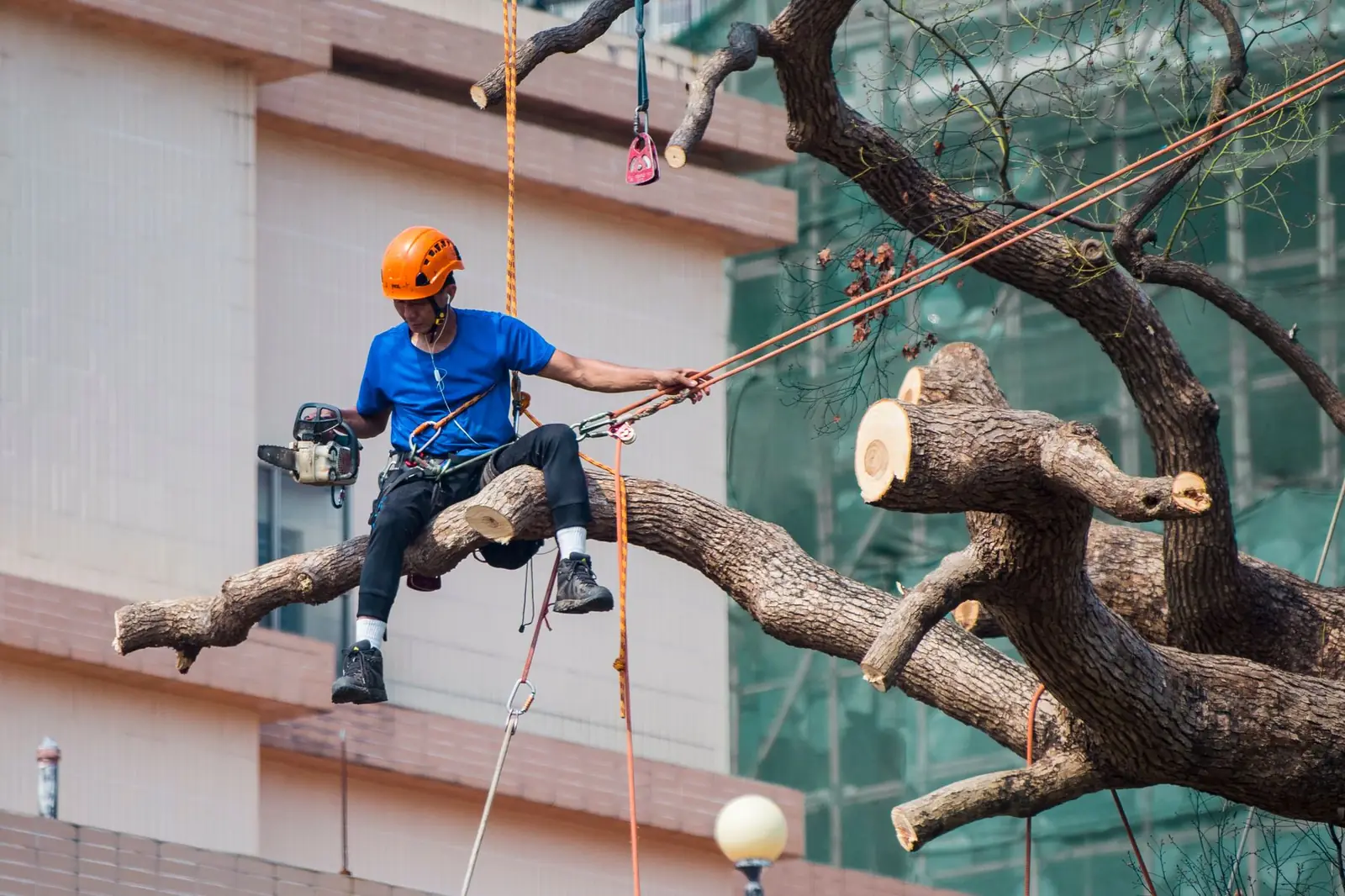
Who trims trees in SouthWood, Tallahassee?
SouthWood’s young street canopy needs formative pruning more than heavy cutting — training live oaks and sycamores early, keeping sidewalks clear, and staying inside HOA streetscape standards. Call now to get matched with a licensed local pro for tree trimming in Tallahassee.
Storm damage or a tree on your house? Call now.
Stay out of rooms under the tree and keep clear of downed lines — report those to the power company first. Then call and we’ll connect you with a local tree crew that handles storm work.
📞 Call (858) 319-0022Free 24/7 dispatch line · availability varies by storm volume
Get matched with a SouthWood trimming crew
Call now and we’ll connect you with a licensed, insured Tallahassee crew for a no-obligation trimming quote.
Young trees, formative pruning
SouthWood was developed around planned street trees, so most of its canopy is still young to middle-aged — and that’s actually the best time to prune. Formative (structural) pruning on a young live oak or sycamore sets one strong central leader, removes competing codominant stems, and corrects crossing or rubbing branches before they become large, expensive problems. Done in the first 15-20 years, a few cheap cuts shape a tree that won’t split or drop limbs over your driveway decades later. Skip it, and you inherit the structural defects. This is tree trimming aimed at SouthWood’s particular stage of growth.
The SouthWood trim list
- Live oak — formative pruning for a strong structure; clearance over sidewalks and streets as they grow.
- Sycamore — fast-growing, needs early structure work and deadwood management.
- Crepe myrtle — proper thinning and shaping, not the annual hard-topping you see everywhere.
- Drake elm and street trees — clearance and canopy balance along the planned streetscapes.
- Young pines and magnolias — light deadwood and shaping.
Streetscape standards and clearance
SouthWood’s master plan and HOA put weight on a consistent, well-kept streetscape, and the community maintains street trees in the rights-of-way while homeowners handle trees on their lots. Practically, that means your trimming should keep sidewalks and the street clear (typical clearance is several feet over walks and higher over the road) and stay consistent with the neighborhood look. A crew that works SouthWood prunes to those expectations and can tell you where a tree is the community’s responsibility versus yours before you pay to trim something that isn’t on your lot.
When and how to trim here
Structural pruning is best in the dormant late-winter window before the spring flush; deadwood and clearance can be done as needed. The cardinal rule on SouthWood’s young trees is restraint — light, correct cuts at the branch collar, never topping, never over-thinning, so the trees develop naturally. For mature-tree or storm questions across the area, see the pruning guide; for anything hazardous, that’s a different call.
SouthWood trimming FAQs
My SouthWood trees are young — do they even need trimming yet?
Yes, and this is the ideal time. Formative pruning on young live oaks and sycamores sets a strong structure and corrects defects with small, cheap cuts before they become large, hazardous limbs. Pruning in the first couple decades pays off for the life of the tree.
Who maintains the street trees in SouthWood — me or the community?
It depends on whether the tree is on your lot or in the community right-of-way. SouthWood maintains many street trees in common areas while homeowners handle trees on their own property. A crew that works the neighborhood can tell you which is which before you pay to trim one that isn’t yours.
How much clearance should I keep over the sidewalk and street?
Typically several feet of clearance over sidewalks and more over the street so pedestrians and vehicles pass freely, consistent with SouthWood’s streetscape standards. A crew raises the canopy gradually as the tree grows rather than removing too much at once.
Should I have my crepe myrtles topped each year like my neighbors do?
No. Annual hard-topping, or crepe murder, weakens the tree and produces spindly regrowth. Proper pruning thins crossing branches and removes spent seed heads while keeping the natural shape, which gives stronger limbs and better bloom.
When is the best time to prune in SouthWood?
Structural pruning is best in the dormant late-winter window before the spring flush. Deadwood and clearance pruning can be done as needed any time. The key on young trees is light, correct cuts rather than heavy thinning or topping.
Keep your SouthWood trees in good shape
Call now and tell us what needs trimming. We’ll match you with a licensed, insured SouthWood-area crew for a no-obligation quote.
Serving SouthWood and SE Tallahassee, FL. Content reviewed June 2026. Tallahassee Tree Service connects homeowners with independent licensed tree professionals and does not perform tree work directly.