DIY Tree Removal in Tallahassee — The Honest Calculus
Some tree removals are reasonable DIY jobs for a homeowner with the right tools and basic experience. Many are not. Getting the call wrong on the second category produces a hospital visit, a roof claim, or both.
This post is the honest version of the DIY-vs-professional calculation, from the perspective of the licensed arborists in our network who have seen both ends of it.
Call now to get connected with a licensed local arborist for an on-site assessment if you’re not sure which category yours falls in.
Storm damage or a tree on your house? Call now.
Stay out of rooms under the tree and keep clear of downed lines — report those to the power company first. Then call and we’ll connect you with a local tree crew that handles storm work.
📞 Call (858) 319-0022Free 24/7 dispatch line · availability varies by storm volume
When DIY Tree Removal Is Reasonable
Small ornamentals. A 10-foot crape myrtle, dogwood, or small redbud is usually a homeowner job. Chainsaw, gloves, common sense.
Already-fallen trees with clear access. If a tree is already on the ground, cutting it up and hauling brush is a different operation than felling. Standard chainsaw safety still applies but most of the falling-tree risk is gone.
Standing-dead small trees with clear drop zones. If a 15-foot dead tree is in the middle of a yard with nothing to hit, no power lines, and good escape paths, a careful homeowner with a chainsaw can handle it.
Brush and small-diameter pruning. Hand pruners, loppers, pole saws on stuff you can reach from the ground — all fine homeowner work.
When You Should Call an Arborist Instead
Anything requiring climbing. Climbing technique, proper anchor points, fall protection, and chainsaw-while-aloft are skills, not improvisations. Arborists train for years. Homeowner attempts produce the worst injuries in this whole category.
Anything near a structure. “Near” means inside the tree’s potential fall radius — typically 1.5x the tree’s height. A 60-foot oak has a 90-foot risk circle. Anything inside that radius is professional work.
Anything near power lines. Period. Falling tree on power line is a multi-fatality scenario. Power line proximity work is line-clearance certified arborist work.
Anything above ~25 feet. The leverage, the felling cuts, the escape paths all get hard fast as trees get taller. The 25-foot threshold is a rough cutoff; the actual cutoff depends on access, lean, surroundings, and your experience.
Any tree with structural defects. Codominant leaders with included bark, hollow sections, decay, dead tops, hangers — these don’t behave predictably during felling. Professional work.
Any tree species you’re not comfortable with. Pines fail differently than oaks. Cypresses do something else. Knowing the species behavior matters.
Anything where the drop zone is constrained. Tight lots, neighbor’s property line, garden beds you want to preserve. Professional rigging.
The Insurance Math
If you’re injured DIY-ing a tree removal, your homeowner’s insurance may or may not cover it depending on policy specifics. Health insurance covers the medical bills. Lost wages aren’t covered.
If you damage your house, your neighbor’s house, a vehicle, or anything else while DIY-ing, your homeowner’s liability may cover it, but premium consequences follow.
If a professional crew has the same accident, their workers’ comp covers their crew, their general liability covers your property damage, and your premium doesn’t move. That’s the actual financial difference.
The Permit Question
City of Tallahassee §5-83 permit requirements apply to homeowner-DIY removal of protected species over the threshold size. The permit is on the homeowner’s responsibility whether you DIY or hire. See Tallahassee tree permit guide.
Most professional tree services file the permit at no extra charge. DIY means you file yourself.
The Cost Calculation
Professional removal of a small/medium tree in clear access is a half-day job for a 3-person crew with a chipper. DIY same job: chainsaw (you may already own one), fuel, dump fees for brush, your time, your risk.
Professional removal of a large tree, near a structure, with crane setup: a crane day, a certified rigger, traffic control, and the insurance to cover a stem swinging over a roof. DIY same job: don’t.
For the full pricing framework: Tallahassee tree removal cost and free tree removal in Tallahassee — when it’s really free.
If You’re DIY-ing a Reasonable Job
Basic safety checklist:
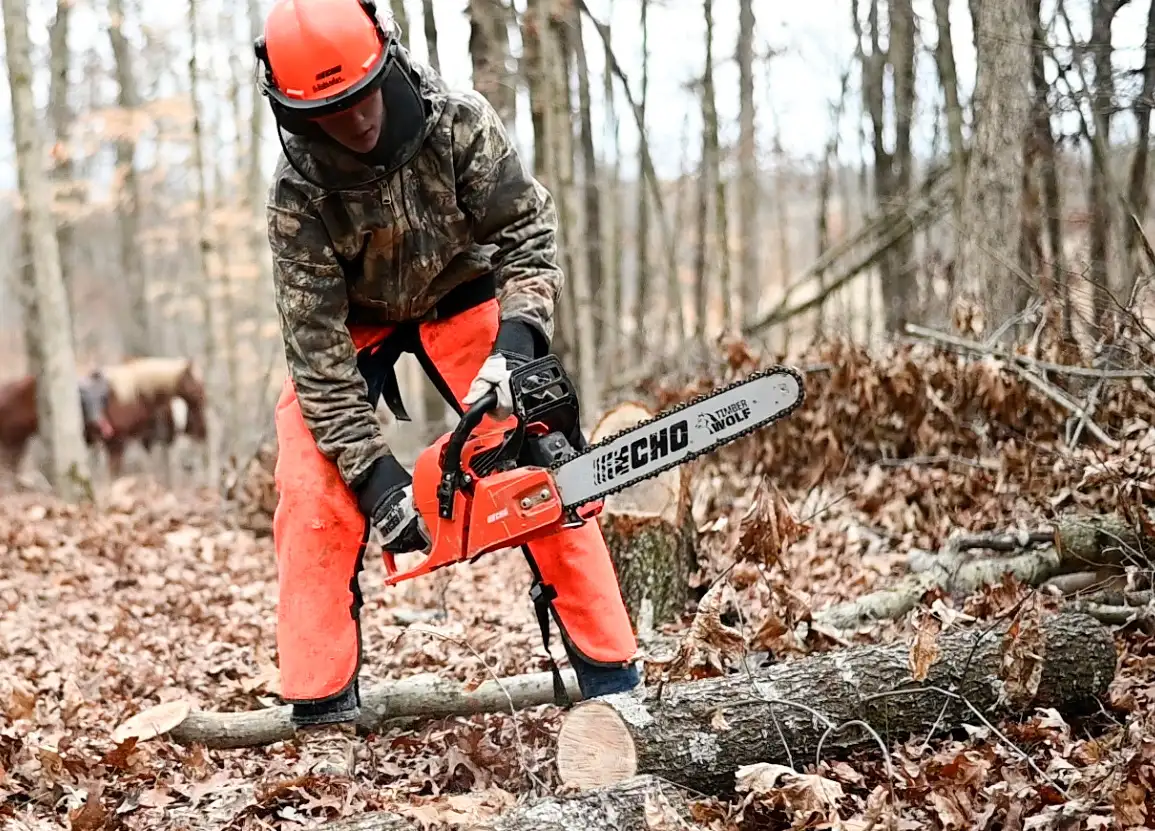
- PPE — chaps, eye protection, hearing protection, gloves, sturdy boots
- Chainsaw in good operating condition, sharp chain
- Identify two escape paths at 45 degrees from the planned fall direction
- Notch and back cut technique appropriate to tree size
- Helper to spot for hangers, equipment failures, and emergencies
- Phone with cell signal in reach
- Don’t work alone, don’t work in wind, don’t work in poor visibility
- Stop if anything doesn’t feel right
Why Get Matched Through Us
Every job in our network is handled by an ISA-certified, insured arborist. Call now for an on-site assessment. The pro you’re matched with will tell you honestly whether yours is a DIY-reasonable job or one to hire out.
Call now to get connected with a licensed local arborist.
FAQ
When is DIY tree removal safe?
Small ornamentals, already-fallen trees, standing-dead small trees with clear drop zones, brush and ground-level pruning.
When should I call an arborist instead?
Climbing required, near structures, near power lines, over 25 feet, structural defects, constrained drop zones.
Do I need a permit for DIY removal in Tallahassee?
Yes if the tree meets the §5-83 protected species and DBH threshold.
Does insurance cover DIY tree-removal injuries?
Health insurance covers medical bills. Homeowner’s varies on liability for property damage. Lost wages aren’t covered.
What’s the most common DIY tree-removal mistake?
Misjudging the fall direction. Notch and back-cut technique determines where the tree goes.
Can I rent equipment to do a bigger tree?
Rental crane or bucket truck doesn’t include the skill. Operating equipment around live trees without training is the same risk profile as climbing without training.