Quincy’s tree canopy is one of the oldest in the Big Bend — live oaks over brick streets, legacy pecans, and crepe myrtles that get butchered every spring. Good trimming here is about structure and clearance on heavy clay soil, not just shortening branches. Here’s what proper pruning looks like in Gadsden County and how to get matched with a licensed Quincy crew.
Who handles tree trimming in Quincy, FL?
Licensed Gadsden County crews handle the structural pruning that Quincy’s live oaks, pecans and crepe myrtles need to hold together on heavy red clay. Call now and you’re matched with a vetted, insured local pro from the same network behind our Tallahassee tree trimming dispatch.
Storm damage or a tree on your house? Call now.
Stay out of rooms under the tree and keep clear of downed lines — report those to the power company first. Then call and we’ll connect you with a local tree crew that handles storm work.
📞 Call (858) 319-0022Free 24/7 dispatch line · availability varies by storm volume
Get matched with a Quincy tree-trimming crew
Call now and we’ll connect you with a licensed, insured Gadsden County crew for a no-obligation trimming quote.
What good trimming actually does for a Quincy tree
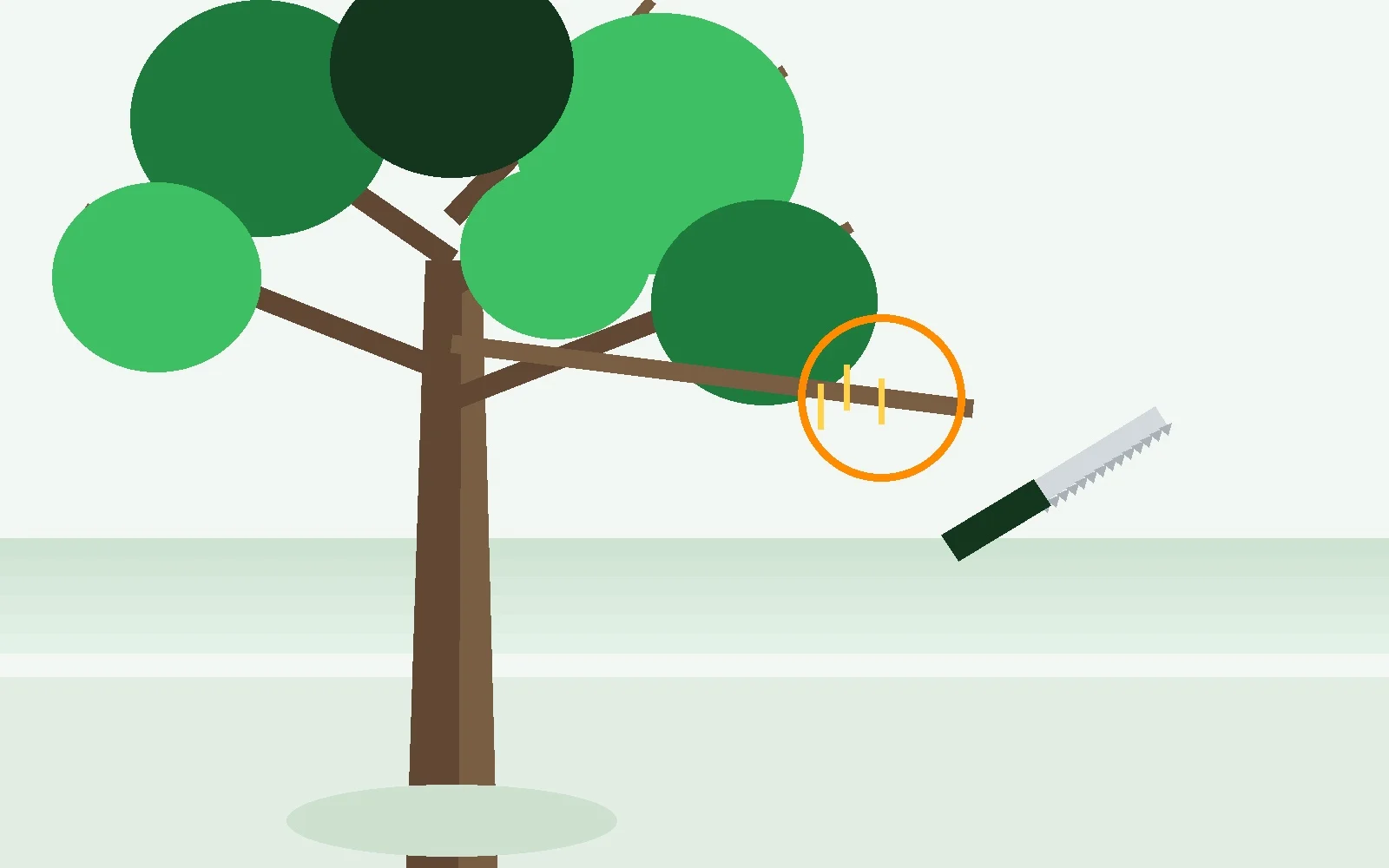
Trimming isn’t topping. Proper pruning removes deadwood, takes weight off overextended limbs, opens the canopy so wind passes through instead of pushing the whole crown, and lifts low branches off roofs, walks, and Quincy’s narrow historic streets. On a mature live oak, that means thinning at the branch collar — never flush, never stubbed — so the tree seals the cut and doesn’t rot. Done right, a trim makes a tree safer in a Gadsden County thunderstorm and longer-lived. Done as topping, it triggers weak watersprout regrowth that fails in the next storm. The same principles apply across the area; this is tree trimming tuned for Quincy’s trees.
The trees that need it here
- Live oak — the signature street tree; needs periodic structural pruning to keep heavy lateral limbs from cracking out over driveways and rooftops.
- Pecan — brittle wood that drops limbs in wind; deadwood removal and end-weight reduction are the priorities.
- Crepe myrtle — the most abused tree in the South. Proper pruning shapes and thins; it is not the annual hard-heading known as crepe murder.
- Water oak & laurel oak — fast, weak, and short-lived; trimming buys time but these are watch-list trees for failure.
- Magnolia & holly — light shaping and clearance, mostly.
Clay heave and the leaning tree
Gadsden’s clay swells when wet and shrinks when dry, working at shallow roots over years. Combined with Quincy’s mature, top-heavy hardwoods, that’s why you see leaners after a wet season. Trimming to reduce end weight and the wind-sail of the crown is the cheapest way to lower the risk on a tree that’s already leaning — often paired with a cabling assessment rather than removal. If a limb is over the house and cracked, that’s an emergency, not a routine trim.
When to trim in the Big Bend
Most structural pruning is best in the dormant window, late winter into early spring, before the spring flush. Deadwood and hazard limbs can come out any time. Avoid heavy oak pruning in the heat of summer when possible, and time crepe myrtles before they leaf out. A local crew will sequence it to your trees rather than blanket-cutting. For the why-and-when in depth, see the area pruning guide.
Quincy-area FAQs
Is topping ever okay to control a tree’s size?
No. Topping removes the canopy at random points, triggers weak watersprout regrowth, and leaves large wounds that rot. To manage size, a crew uses reduction pruning back to live lateral branches, which keeps the tree’s structure and lets it seal the cuts.
When is the best time to trim my oaks in Quincy?
Most structural pruning is best in the dormant window from late winter into early spring, before the spring flush. Deadwood and clearly hazardous limbs can be removed any time of year. Heavy oak pruning in peak summer heat is best avoided when it can wait.
How do I prune a crepe myrtle without committing ‘crepe murder’?
Thin out crossing and inward branches and remove spent seed heads, but don’t hard-head the trunks to knuckles every year. Proper crepe myrtle pruning keeps the natural vase shape and produces stronger limbs and better bloom than annual topping.
My pecan keeps dropping limbs. Will trimming help?
Yes. Pecans have brittle wood and shed limbs in wind, so deadwood removal and reducing end weight on long laterals lowers the risk. It won’t make a pecan storm-proof, but it meaningfully reduces what comes down.
There’s a leaning oak over my house. Trim or remove?
It depends on the lean, the roots, and the soil. On Gadsden clay a recent lean after a wet season is worth an arborist’s eye; sometimes weight reduction plus cabling resolves it, sometimes removal is the honest call. A crew can assess before you commit to taking it down.
Keep your canopy healthy and clear
Call now and tell us what needs trimming. We’ll match you with a licensed, insured Quincy crew for a no-obligation quote.
Serving Quincy, Havana, and Gadsden County, FL. Content reviewed June 2026. Tallahassee Tree Service connects homeowners with independent licensed tree professionals and does not perform tree work directly.