Weems Plantation, East Tallahassee, FL
Weems Plantation is east Tallahassee’s 1990s planned neighborhood — sidewalk loops, stormwater ponds, and street after street of homes built into a former pine plantation off Buck Lake Road. That origin is the whole tree story: the neighborhood’s big trees are plantation loblollies that were already 30 years old when the houses arrived, now pushing 60-plus and standing over roofs they were never planted to protect. Here’s what tree service covers in Weems Plantation, why its pines deserve honest scrutiny, and how the pond-and-swale layout changes the work.
Who handles tree work in Weems Plantation?
Licensed east-side crews covering the Buck Lake corridor: tall loblolly removals between close-set homes, beetle checks, roof-clearance trims, stump grinding, and storm response — scheduled around school traffic on Buck Lake Road.
If one of the tall pines behind your fence has browned at the top, call (858) 319-0022 to reach the licensed local arborist you’re matched with — beetle-hit pines don’t wait for convenient timing.
Storm damage or a tree on your house? Call now.
Stay out of rooms under the tree and keep clear of downed lines — report those to the power company first. Then call and we’ll connect you with a local tree crew that handles storm work.
📞 Call (858) 319-0022Free 24/7 dispatch line · availability varies by storm volume
What’s the deal with Weems Plantation’s pines?
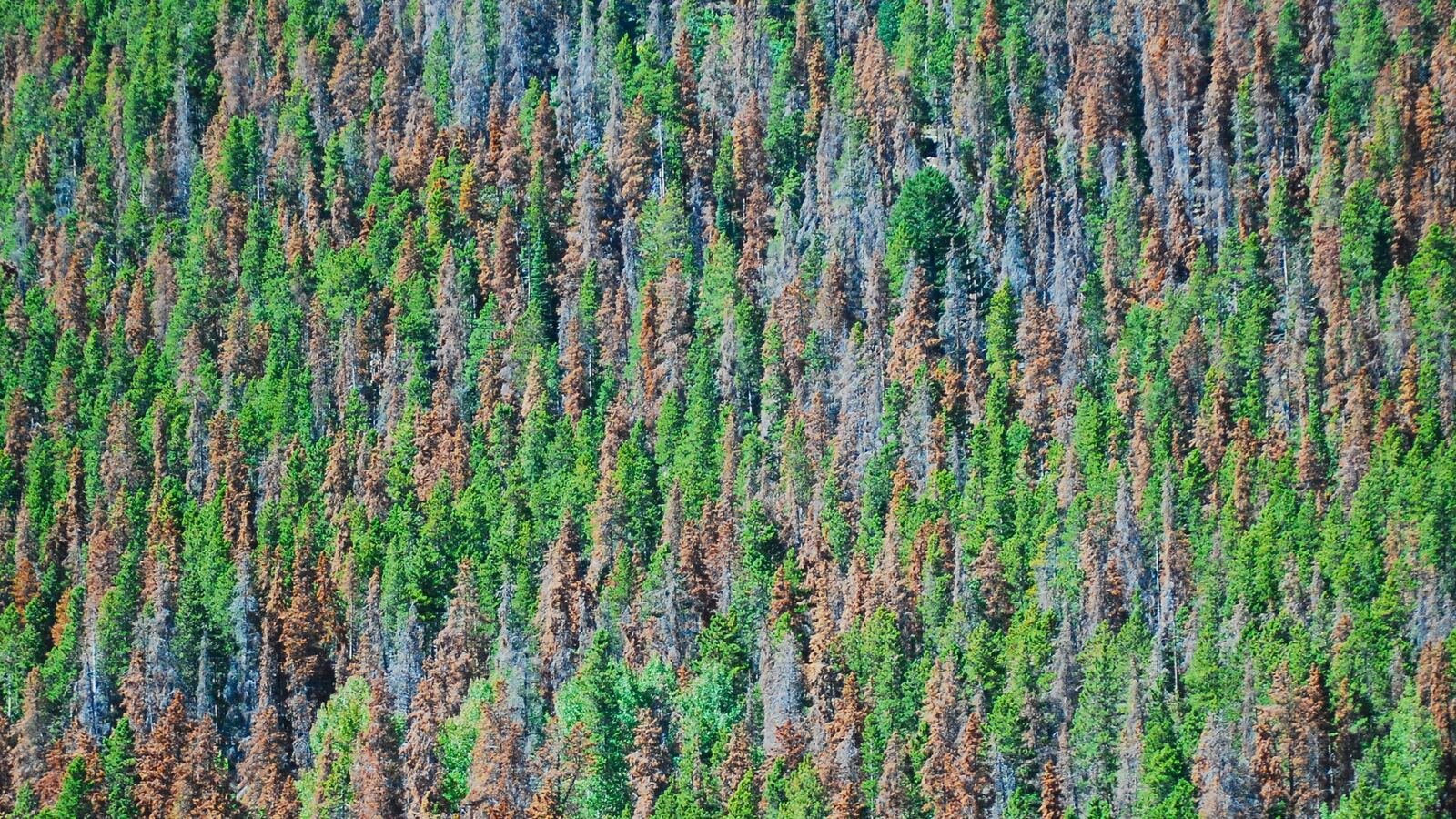
Plantation loblollies were planted dense, grew tall and straight racing each other for light, and were thinned — not cleared — when the neighborhood was built. The survivors are now 80-to-100-foot trees with high, narrow crowns and root systems that spent formative decades in a forest, not a lawn. Three consequences follow. They’re tall relative to their anchorage, so wind matters more than for an open-grown pine. They’re at the age where ips beetles find any stressed individual — drought summers and root-zone irrigation both count as stress. And they stand in rows and clusters, which means one dying pine seeds beetles into its neighbors; the block-level pattern is real, not superstition. None of this means clear-cutting the neighborhood — a vigorous loblolly is a fine tree — but it means the browning-top pine gets dealt with the season you notice it. The signs are in the beetle damage guide and the pine beetle reference.
The standard Weems Plantation work orders
- Pine removal — the classic job: a 90-foot loblolly dropped in sections between two homes thirty feet apart, lift in the drive, rigging over the fence line.
- Clearance trimming — pine limbs off roofs and the maturing street trees (elms, maples, oaks the developer planted) structurally pruned before their unions harden.
- Stump grinding — pine stumps grind fast; the win here is chasing the big lateral roots so the lawn mower stops finding them.
- Storm response — east-side pine losses cluster in plantation-legacy neighborhoods every named storm; hung pine tops get priority.
- Pine checks — a walkaround that reads crown color, pitch tubes, and sawdust at the base — cheap certainty for the tallest things on your lot.
Ponds, swales, and where the debris can’t go
Weems Plantation drains through its stormwater ponds, and the swales between lots are working infrastructure, not spare yard. Crews stage equipment off the swales, keep chips and sawdust out of the drainage path, and haul rather than stack where the only flat spot is the drainage easement. If a pine stands in the easement itself, expect a conversation about access rights before work — usually quick, but worth flagging when you call. HOA notice for visible removals is the neighborhood norm; hazard documentation makes it painless. See the HOA process guide.
Keep or remove — how should you think about a healthy tall pine?
Honestly, and lot by lot. A green-crowned, straight loblolly with no beetle sign and a clear fall radius is an asset — shade, value, habitat — and removing healthy pines out of generalized fear is money spent buying afternoon sun. A pine with a browning or thinning crown, visible lean, pitch tubes, or woodpecker activity concentrated on the trunk is spending its last seasons, and planned removal beats the emergency version by a wide margin. In between sits the “healthy but towering over the nursery” case, where a formal risk assessment puts numbers on target, defect, and likelihood instead of anxiety. That’s the conversation worth having before every June.
Weems Plantation FAQs
How fast does a beetle-hit pine become dangerous?
Fast — a loblolly can go from first browning to dead in a season, and dead pine turns brittle within months. Brittle pines can’t be climbed safely, which converts a routine removal into a crane job. Act in the same season you see the change.
Can a 90-foot pine come down between houses without damage?
Yes — it’s sectional work: climber or lift, pieces rigged and lowered into a controlled drop zone, trunk blocked down last. The tight-lot version takes a day and a practiced crew, both of which the dispatch match accounts for.
Do I need city or HOA sign-off to remove a pine?
Pines over the city’s ordinance threshold need the permit conversation, and the HOA expects notice for visible removals. A documented dying pine clears both quickly.
My neighbor’s dead pine leans toward my house. What can I do?
Florida law lets you trim to the line, but a whole-tree hazard is a conversation-and-documentation situation: notify the neighbor in writing with the arborist’s note. The neighbor tree-law guide walks the sequence.
What nearby areas do you cover?
The whole east side: Buck Lake, Piney-Z, Forest Heights, and Lafayette Oaks.
Serving Weems Plantation and east Tallahassee, FL. Content reviewed August 2026. Tallahassee Tree Service connects homeowners with independent licensed tree professionals and does not perform tree work directly.
Tallahassee Tree Service is a free referral service. Tallahassee Tree Service is not a licensed tree service provider and does not directly provide tree care services. All work is performed by independent, licensed and insured third-party providers in your area. Calls and form submissions placed through this site may be connected with a participating provider, and you may be contacted by that provider regarding your request. Same-day, emergency, and 24/7 availability are not guaranteed and depend on provider schedules, location, and demand. Service availability, pricing, licensing, and final response times are determined solely by the providers. It is the responsibility of the homeowner to verify that the hired contractor furnishes the necessary license and insurance required for the work being performed. All persons depicted in a photo or video are actors or models and not contractors listed on Tallahassee Tree Service.