If you are trying to figure out what it costs to trim a tree in Tallahassee, you have probably noticed that the answer ranges all over the place. That is not because anyone is being cagey — it is because “trimming a tree” can mean tidying a small crape myrtle or carefully reducing a massive live oak hanging over the roof, and those are wildly different jobs. The price follows the work, and the work depends on the tree.
This guide explains how tree trimming is actually scoped, why a big live oak is a bigger job than a yard tree, how timing and the health of the tree factor in, and the questions to ask so the quotes you collect are genuinely comparable. There are no set numbers here — every tree is different, and your actual price is between you and the arborist who looks at the job.
What drives tree trimming cost in Tallahassee?
Crew time, tree size, equipment access, and what the limbs hang over — a big live oak over a roof is a rigging job, not a trim. The full breakdown is below; call now for a scoped tree trimming match.
Storm damage or a tree on your house? Call now.
Stay out of rooms under the tree and keep clear of downed lines — report those to the power company first. Then call and we’ll connect you with a local tree crew that handles storm work.
📞 Call (858) 319-0022Free 24/7 dispatch line · availability varies by storm volume
How Trimming Is Priced
Most tree trimming quotes come down to a handful of inputs, and understanding them helps you read an estimate instead of just reacting to the number.
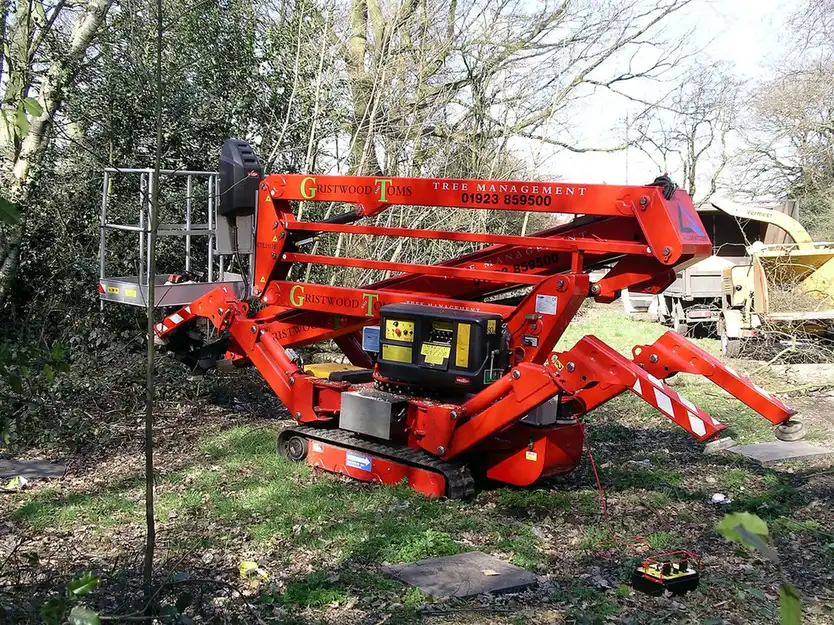
The biggest driver is crew time, because tree work is labor-intensive and skilled, and the rate a real crew charges reflects the equipment, insurance, and certification the work requires. How many hours a job takes depends on the rest of the inputs. Tree size is the first: a taller, wider tree has more to climb, more limbs to handle, and more material to cut and haul, so size scales the time directly. Number of trees matters because trimming several in one visit spreads the setup and travel across more work, which often makes each tree more economical than a single isolated job. Access is a quieter but real factor — whether a truck and chipper can get close or every limb has to be carried out through a side gate, how much obstacle-dodging the crew faces around sheds, fences, pools, and structures, and whether the ground is soft or wet. And proximity to the house and power lines raises both the care required and the price, because limbs over a roof or near a line have to be rigged down in controlled sections rather than simply dropped. Put together, these inputs are why two “tree trims” can carry very different price tags.
How Trimming Jobs Scale
Trimming jobs span a wide range because the trees themselves do. A small ornamental or yard tree with easy access is the simplest job; a large oak crowded against the house is the most involved.
As a planning frame, smaller trees — crape myrtles, dogwoods, smaller hollies, young trees up to roughly 25 or 30 feet — tend to be a half-day or less of work for a small crew, which keeps labor contained. Large trees, particularly mature oaks and tall pines, are the most involved, because they require climbing or a bucket, sectional removal of heavy limbs, careful rigging, and substantial cleanup. Because crew time is the engine of the cost, anything that adds hours — height, difficult access, proximity to structures, heavy debris — makes a job bigger. The only way to get a real number for your tree is to have it evaluated.
Why a Big Live Oak Is a Bigger Job Than a Yard Tree
It is worth dwelling on the live oak, because it is the tree most likely to surprise a Tallahassee homeowner on price — and the reasons are entirely legitimate, not an upsell.
A mature live oak is simply a much larger and more demanding job. The wood is dense and heavy, so every limb takes more effort to cut and handle. Live oaks grow wide, with long, sprawling, often low limbs that extend over yards, fences, and roofs, which means more material and more rigging to bring those limbs down safely. Their size frequently puts them close to the house or to power lines, so the crew cannot just drop limbs — they have to rig and lower them in controlled pieces, which takes time and skill. And the volume of debris from a big oak trim is considerable, adding cleanup and haul-off. A small yard tree, by contrast, might be a quick job with a clear drop zone, minimal rigging, and little debris. The live oak’s place at the demanding end of the scale reflects the genuine difference in labor, risk, and material — the same canopy that makes the tree magnificent is what makes trimming it a bigger undertaking.
Want a number for your tree? Get matched with a licensed Tallahassee arborist Call now code and our 24/7 dispatch line connects you with an ISA-certified, insured arborist in our network who serves Tallahassee and Leon County. A real person answers — describe the tree, its size, and how close it sits to your house, and you’ll be routed to the right pro for a quote that fits the job. → Call now to get connected
Timing and the 25% Rule
Timing affects both the health outcome and, indirectly, your wallet. For many trees, the lower-stress window for structural pruning in Florida runs in the cooler months, roughly December through February, when the tree is less active and recovers well — though removing dead or hazardous wood can be done year-round when needed. Planning non-urgent trimming for the appropriate season is the kind of small decision that keeps a tree healthy and avoids the need for corrective work later.
The other rule that protects both the tree and your money is the 25 percent ceiling: as a general guideline, no more than about a quarter of a tree’s canopy should be removed at one time. Over-trimming beyond that over-stresses the tree, can trigger weak regrowth, and may force follow-up care — so asking for “as much off as possible” is usually a false economy. A measured, properly timed trim is both healthier for the tree and more cost-effective over its life than aggressive cutting that has to be undone. A good arborist will steer you toward the right amount rather than the most. For work that is more about shaping and plant health than reduction, the arborists in our network also handle tree pruning in Tallahassee.
What to Ask for an Accurate Quote
The most common reason two trimming estimates look wildly different is that they describe different work. Before comparing numbers, make sure each arborist is quoting the same scope. Ask every estimator a consistent set of questions: What exactly does the trim include — which limbs, how much reduction, and is it shaping, thinning, deadwooding, or crown reduction? Is debris haul-off and cleanup included, or are chips and limbs left on site? Will the job need a bucket truck or climbing-and-rigging, and is that reflected in the price? Is the company licensed and insured, and is the work done by ISA-certified arborists — which protects you if something goes wrong on your property? And how much of the canopy will be removed, so you can be sure the plan respects the 25 percent guideline rather than over-cutting? When every quote answers those questions the same way, the numbers finally mean something, and a higher quote that includes full cleanup and proper rigging may be the better value than a lower one that leaves you with a debris pile and an over-trimmed tree. For the trimming work itself, the arborists in our network handle tree trimming in Tallahassee.
Want a number for your specific tree? Get matched with a licensed Tallahassee arborist Call now code and our 24/7 dispatch line connects you with an ISA-certified, insured arborist in our network who serves Tallahassee and Leon County. A real person answers — describe the tree, the access, and how close it sits to the house, and you’ll be routed to the right pro for a quote that fits the job. → Call now to get connected
Frequently Asked Questions
How much does tree trimming cost in Tallahassee?
There is no flat rate — it varies widely with the tree, because trimming a small yard tree and reducing a large live oak are very different jobs. Smaller trees with easy access are the simplest jobs, while large oaks and tall pines are the most involved. The real number comes from an arborist looking at your specific tree.
Why is trimming a large oak such a big job?
A mature live oak is dense, heavy, and wide-spreading, often with low limbs over roofs and fences and frequently close to the house or power lines. That means more material to handle, more rigging to lower limbs safely in sections rather than dropping them, and substantial cleanup. The size, weight, risk, and debris all add labor.
What affects the price of tree trimming?
The main factors are crew time, tree size, the number of trees, access for trucks and equipment, and proximity to the house and power lines. Larger trees, difficult access, obstacles, and limbs near structures or lines all add hours and rigging. Trimming several trees in one visit can make each more economical by spreading setup and travel.
What time of year should I trim trees in Tallahassee?
For many trees, the cooler months — roughly December through February — are a lower-stress window for structural pruning, since the tree is less active and recovers well. Dead or hazardous limbs can be removed any time of year when needed. Planning non-urgent trimming for the appropriate season supports tree health and helps avoid corrective work later.
How much of a tree can be trimmed at once?
A common guideline is to remove no more than about 25 percent of a tree’s canopy at one time. Over-trimming beyond that over-stresses the tree, can prompt weak regrowth, and may require follow-up care, so asking for the maximum cut is usually counterproductive. A measured trim is both healthier and more cost-effective over the life of the tree.
How do I get an accurate tree trimming quote?
Have each arborist evaluate the tree and ask the same scope questions: what the trim includes, whether haul-off and cleanup are covered, whether a bucket truck or rigging is needed, whether the company is licensed and insured with ISA-certified arborists, and how much of the canopy will be removed. Consistent answers make the quotes comparable, and the real number comes from a pro looking at your specific tree.
Is it cheaper to trim multiple trees at once?
Often, yes, on a per-tree basis. Trimming several trees in a single visit spreads the setup, mobilization, and travel across more work, which can make each tree more economical than booking an isolated single-tree job. If you have multiple trees that need attention, it is worth asking for them to be quoted together.
TallahasseeTreeService.co is a dispatch service. We connect callers with licensed Florida arborists. We are not a licensed tree service company. The disclaimer in our site footer and our 24/7 dispatch caveat apply to this page.