Monticello & Jefferson County, FL
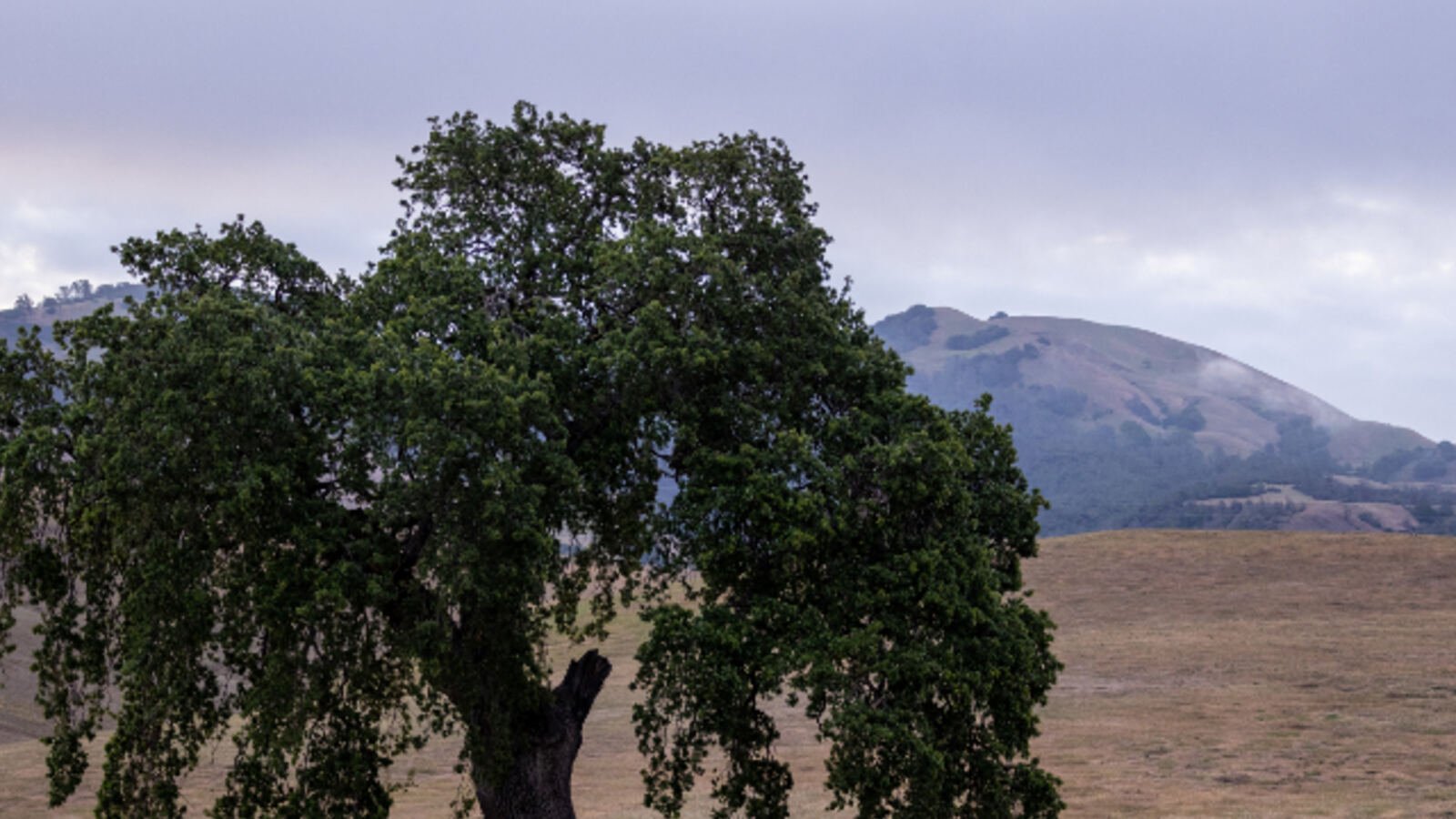
Monticello’s courthouse circle is ringed by some of the oldest street oaks in North Florida, and the town’s historic district — one of the state’s largest — lives under a canopy planted when the houses were built. Trimming here isn’t hedge work; it’s maintaining century-old live oaks and pecans so they survive hurricanes instead of feeding them. Idalia’s 2023 pass through Jefferson County made the case plainly: the pruned trees shed wind, the neglected ones shed limbs. Here’s how tree trimming works in Monticello, when to do it, and what good pruning actually looks like on old trees.
Who trims trees in Monticello, FL?
Licensed Jefferson-area crews doing ANSI A300 structural pruning: wind-thinning mature live oaks, deadwooding pecans, clearing roofs and drives, and restoring storm-damaged crowns — without topping, ever.
To get a mature canopy looked at before hurricane season, call (858) 319-0022 to reach the licensed local arborist you’re matched with — dormant-season slots book out fastest.
Storm damage or a tree on your house? Call now.
Stay out of rooms under the tree and keep clear of downed lines — report those to the power company first. Then call and we’ll connect you with a local tree crew that handles storm work.
📞 Call (858) 319-0022Free 24/7 dispatch line · availability varies by storm volume
What does proper trimming do for a century-old oak?
Three things, in order of storm value. First, deadwood removal — old live oaks and pecans carry dead limbs that come loose in ordinary July thunderstorms, and over a historic-district sidewalk that’s liability as much as risk. Second, selective thinning — taking whole small branches back to the trunk so wind passes through the crown instead of loading it like a sail; on Monticello’s open-grown giants this measurably lowers failure odds. Third, end-weight reduction — shortening over-extended horizontal limbs, the signature failure of old live oaks, cutting back to strong laterals rather than stubbing. What proper trimming never includes is topping: it converts one storm-resistant crown into a head of weakly attached sprouts. The topping alternative guide covers why, and live oak trimming covers the standard.
When is the right time to trim in Jefferson County?
- Live oaks and hardwoods: dormant season, roughly November through February — wounds close fastest, and crews can see structure with leaves down.
- Deadwood and hazard limbs: any time, immediately when over targets.
- Storm-prep thinning: finish by late May, before the Gulf season — the June rush books crews weeks out.
- Crape myrtles: late winter, shaping cuts only — Monticello’s historic streetscapes deserve better than “crepe murder.” See the crape myrtle guide.
- Pecans: late dormant season, thinning brittle scaffolds before they self-prune onto whatever’s parked below.
Old trees, old rules
Monticello’s historic district brings a courtesy rule of thumb: street-facing canopy over the right-of-way is often the county’s or town’s to manage, while everything on your lot is yours. Crews working the district plan drop zones around iron fences, brick walks, and porch roofs that don’t forgive mistakes, and time noisy work around the courthouse square’s business hours. If a limb overhangs a neighbor, Florida’s self-help rule lets them trim to the property line — better outcomes come from one crew pruning the whole tree properly; see the neighbor tree-law guide.
Trimming or removal — how do you tell on an old tree?
The dividing line is trunk integrity. A live oak with a sound trunk and heavy, over-long limbs is a trimming job almost regardless of age — these trees respond to good pruning for centuries. A pecan or laurel oak with basal decay, fungal conks, or a hollow that swallows a fist is past what pruning fixes; thinning a rotten tree just makes lighter debris. When it’s genuinely uncertain, a health assessment settles it with sounding and a structural look rather than guesswork — and if the verdict is removal, storm damage removal in Monticello covers what that entails locally.
Monticello trimming FAQs
How often should a mature live oak be trimmed?
Every three to five years for a healthy mature oak — deadwood, thinning, and end-weight checks. More often only after storm damage or if the tree carries known weak unions.
Can the crew trim just the limbs over my roof?
They can, but clearance-only cuts often leave the crown unbalanced. Good practice pairs roof clearance with light balancing on the far side so the tree doesn’t lean its wind load toward the house.
Is it true you shouldn’t prune oaks in spring here?
North Florida doesn’t have the oak wilt pressure of Texas, so spring pruning isn’t the taboo it is elsewhere — but dormant-season work is still preferred for wound closure and visibility. The pruning guide covers the science.
What does trimming cost in Monticello?
It scales with tree size, how much of the crown is worked, and access — a full structural prune on a giant live oak is a day’s rigging; a roof-clearance trim is a few hours. The pro you’re matched with quotes it in writing on-site; see what drives trimming prices.
Do you cover the rest of Jefferson County?
Yes — Monticello, Lloyd, Wacissa, and Waukeenah, plus Lloyd specifically and the wider Big Bend service area.
Serving Monticello and Jefferson County, FL. Content reviewed August 2026. Tallahassee Tree Service connects homeowners with independent licensed tree professionals and does not perform tree work directly.
Tallahassee Tree Service is a free referral service. Tallahassee Tree Service is not a licensed tree service provider and does not directly provide tree care services. All work is performed by independent, licensed and insured third-party providers in your area. Calls and form submissions placed through this site may be connected with a participating provider, and you may be contacted by that provider regarding your request. Same-day, emergency, and 24/7 availability are not guaranteed and depend on provider schedules, location, and demand. Service availability, pricing, licensing, and final response times are determined solely by the providers. It is the responsibility of the homeowner to verify that the hired contractor furnishes the necessary license and insurance required for the work being performed. All persons depicted in a photo or video are actors or models and not contractors listed on Tallahassee Tree Service.