Trimming Trees for Solar Panels in Tallahassee — What to Cut, What to Keep
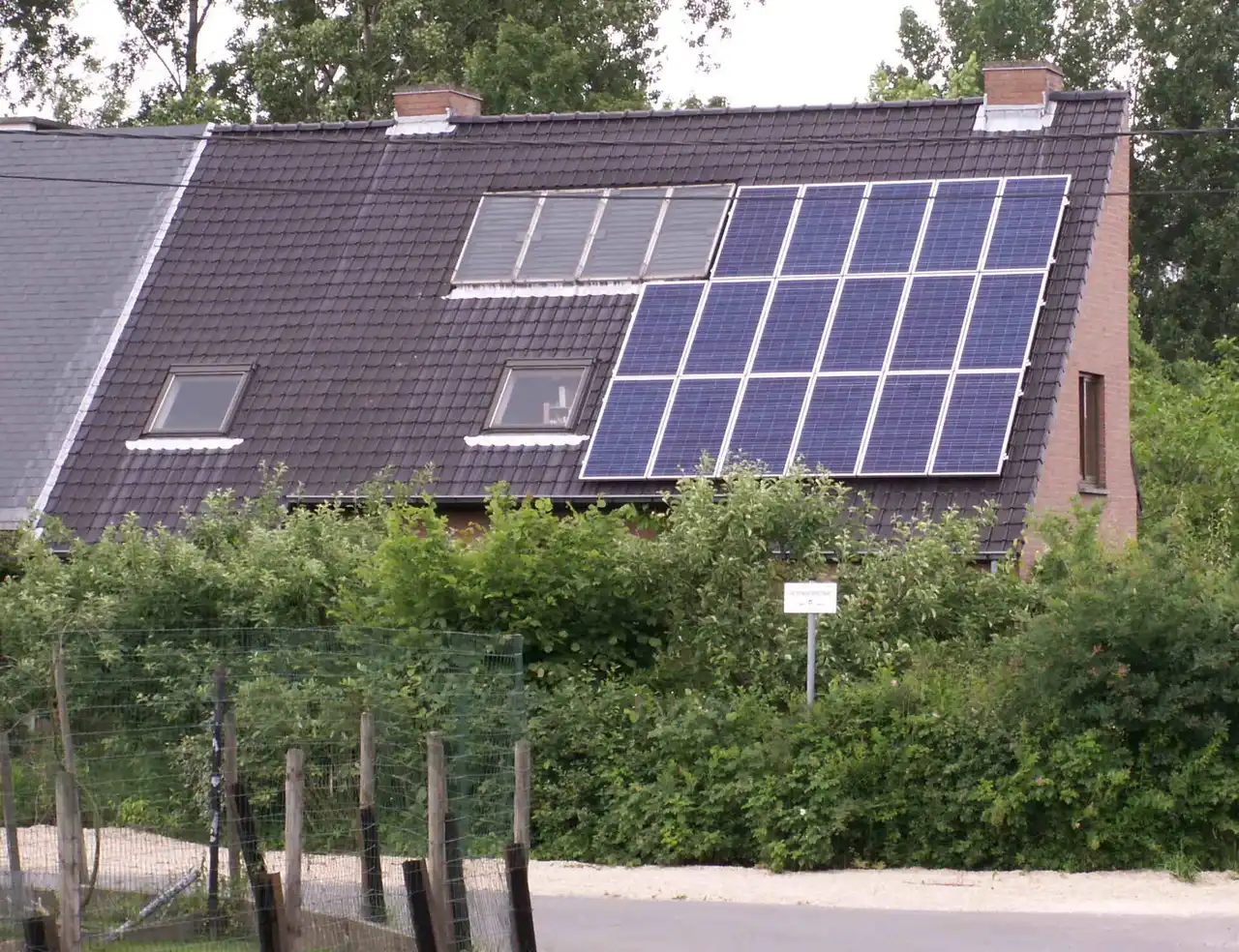
Solar installations have picked up across Tallahassee neighborhoods with wide-open southern exposures — Welaunee, Bannerman, and the newer sections of Killearn among them — and almost every quote from an installer includes the same caveat: shading from mature trees will cut into production. What installers rarely spell out is how much trimming actually helps, which limbs matter and which don’t, and how to get real solar gain without turning a mature canopy tree into a stump-in-waiting. Here’s how to think about it before a crew touches a single branch.
Storm damage or a tree on your house? Call now.
Stay out of rooms under the tree and keep clear of downed lines — report those to the power company first. Then call and we’ll connect you with a local tree crew that handles storm work.
📞 Call (858) 319-0022Free 24/7 dispatch line · availability varies by storm volume
Why Even Partial Shade Hurts Solar Output More Than You’d Think
Panels are wired in strings, and a shadow crossing even one cell in that string can drag down the output of the whole string, not just the shaded panel. That’s why a single leggy limb throwing a moving shadow across a corner of the array for two hours a day can cost more production than its size suggests — and why installers care as much about the shape and timing of a shadow as its size.
Map the Shadow Before You Cut Anything
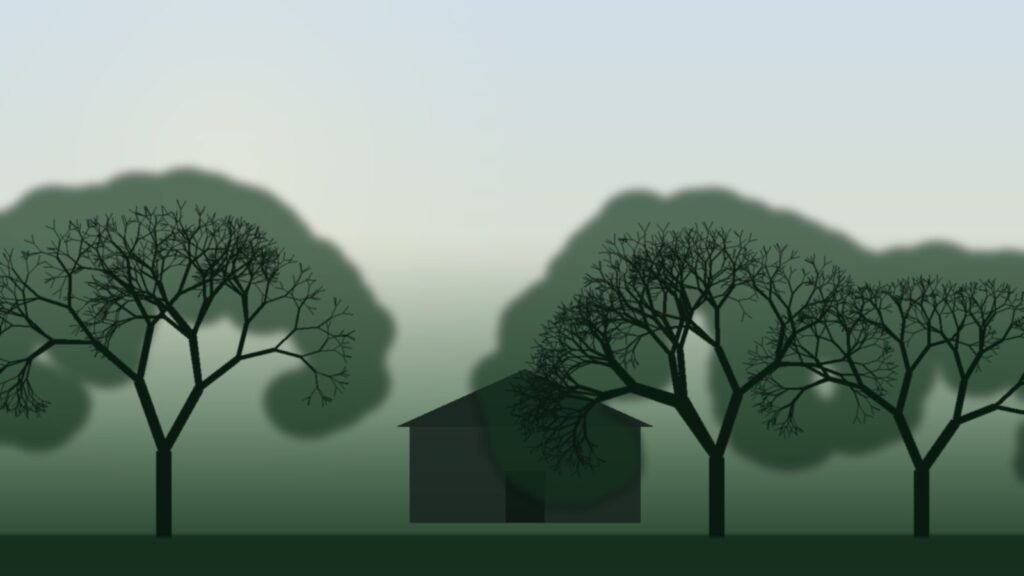
The sun’s path changes with the seasons, so a shadow study run only in July will miss the lower winter sun angle that throws longer shadows from the same tree in December. A useful trim plan accounts for both extremes — solar shade analysis tools (many installers run one as part of the proposal) show exactly which limbs cross the panel plane at which hours and months, turning a vague “that tree is in the way” into a specific, mappable set of branches.
Selective Reduction Beats Topping — Every Time
The instinct to solve a shading problem by removing a huge percentage of a tree’s canopy in one pass is exactly the wrong move, both for solar output and for the tree. Topping — indiscriminate removal of large sections of canopy — triggers weak, fast-growing regrowth that often shades the array worse within two or three years, while also seriously damaging the tree’s long-term health and structural stability. The better approach is targeted crown reduction and selective limb removal: taking out the specific branches that cross the shadow path identified in the shade study, following proper pruning cuts at natural branch collars, while leaving the tree’s overall structure and canopy shape intact. Our guide to when to trim live oaks in Tallahassee covers the seasonal timing that keeps a reduction like this from stressing the tree further.
What This Means for Heritage and Canopy Road-Adjacent Trees
A meaningful share of Tallahassee’s most solar-blocking trees are exactly the mature live oaks the city’s tree ordinance and Canopy Road protections are built to preserve. Removing a protected tree to clear a solar array is rarely straightforward and can require a permit review before any cutting starts — a very different process from routine trimming. In most cases, the economics and the permitting both favor working around a protected heritage oak with selective reduction rather than removal, sometimes combined with reworking the panel layout to a less-shaded roof plane instead.
What a Trim-for-Solar Job Actually Costs to Get Right
Pricing on a solar-clearance trim depends heavily on how many specific limbs the shadow study flags, how high they sit, and how close the work is to the array and roofline itself — very different from a standard canopy thinning quote, since access and precision both matter more. Our guide to what affects Tallahassee tree trimming pricing walks through the variables that move the number, most of which apply here as well, plus the added factor of working carefully around roofing and electrical equipment.
Keep It Maintained, Not One-and-Done
Trees keep growing after the first trim, and a canopy that clears the array today can start throwing shadow again within two or three growing seasons — especially with fast growers like water oaks and pines. Installers and arborists both recommend building a recheck into the maintenance calendar every year or two rather than waiting for production data to reveal the problem again.
Frequently Asked Questions
How much shade actually reduces solar panel output? Because panels are wired in strings, shading even a small portion of one panel can reduce the output of the entire string it’s part of, not just that panel — which is why installers weigh shadow timing and shape as much as shadow size.
Should I remove a whole tree to clear my solar array? Rarely the first option. Selective reduction targeting the specific limbs identified in a shadow study usually solves the problem while preserving the tree’s health, value, and — where relevant — its protected status under Tallahassee’s tree ordinance.
Do I need a permit to trim a tree for solar access? Routine trimming generally doesn’t require a permit, but removing all or most of a protected heritage tree can, particularly near a designated Canopy Road. A licensed local arborist can tell you which category your situation falls into before work starts.
How often does solar-clearance trimming need to be redone? Plan on a recheck every one to two years. Fast-growing species can regrow into the shadow path within a couple of seasons even after a careful initial reduction.
Is topping a tree an acceptable way to clear a solar array? No. Topping triggers weak, dense regrowth that frequently shades the array worse within a few years and permanently damages the tree’s structure and health. Selective reduction is the professional standard.
Can a shadow study tell me exactly which limbs to cut? Yes — a proper shade analysis run across multiple seasons identifies specific branches that cross the panel plane at specific hours, turning a vague shading complaint into a precise, minimal trim plan.
Tallahassee Tree Service Co. is a dispatch and matching service. We connect homeowners with independent, licensed and insured tree professionals — we do not perform tree work ourselves. The independent operator who takes on the job provides the written estimate after seeing the tree.