Species Guide — Tallahassee, FL
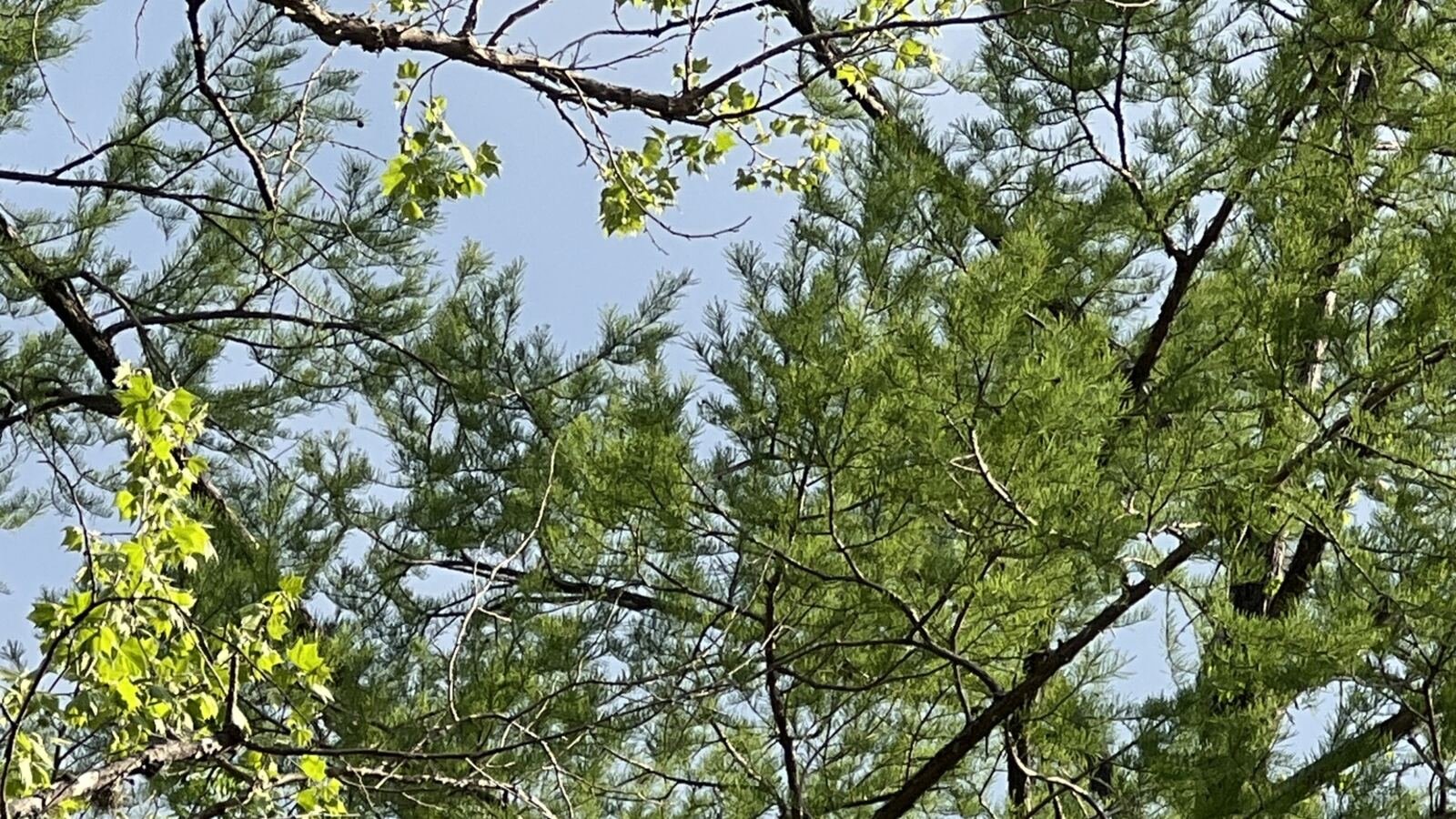
Eastern red cedar is the tree Tallahassee inherits rather than plants — the dense, blue-green columns standing along old fence lines, church yards, and cemetery edges across Leon and Jefferson counties, seeded by birds wherever a fence gave them a head start a century ago. They’re tough, storm-resistant, and full of wildlife — and they still generate removal calls, because old fence-line cedars grew up leaning into fields that are now backyards, and a multi-trunk cedar against a property line is a chainsaw puzzle wrapped in a boundary dispute. Here’s the species guide: what red cedars actually risk, what they don’t, and how removal works when one has to go.
Do eastern red cedars need to be removed in Tallahassee?
Rarely for safety — sound cedars are among the most wind-firm trees in the region. The removals that make sense: fence-line leaners over structures, storm-tipped cedars in wet soil, cedar-apple-rust sources next to orchard trees, and dense volunteers crowding better trees.
If an old cedar leans over your roof or a boundary fence, call (858) 319-0022 to reach the licensed local arborist you’re matched with — boundary trees deserve an assessment before anyone cuts.
Storm damage or a tree on your house? Call now.
Stay out of rooms under the tree and keep clear of downed lines — report those to the power company first. Then call and we’ll connect you with a local tree crew that handles storm work.
📞 Call (858) 319-0022Free 24/7 dispatch line · availability varies by storm volume
What makes red cedar different from every other local conifer?
Despite the name, it’s a juniper — and it behaves nothing like the pines it grows among. The wood is dense, aromatic, and rot-resistant (fence posts cut from these trees outlast the fences), the crown is low and dense instead of high and open, and the root system is deep and wide for the tree’s modest height. In wind, that package performs: hurricanes that snap slash pines leave the cedars standing, which is why so many survive along exposed fence lines and coastal edges from Tallahassee down to St. Marks. The failure cases are specific: cedars that grew leaning toward light over what’s now a house; multi-trunk “cluster” cedars whose included-bark unions split in ice or extreme gusts; and cedars in chronically wet spots, where even a deep-rooted tree eventually tips. A straight, single-stem cedar in normal soil is close to the last tree on the lot to worry about.
The real reasons Tallahassee cedars come down
- Fence-line leaners — a century of growing toward the open field left many old cedars aimed at what’s now a neighbor’s garage. Lean plus target equals the removal conversation.
- Boundary conflicts — cedars mark old property lines, which means many are literally line trees owned by two parties. Nobody removes a line tree alone; see the neighbor tree-law guide.
- Cedar-apple rust — the cedar hosts half the life cycle of the rust fungus that ruins nearby apples, pears, and mayhaws; orchard keepers remove cedars within a few hundred feet of their fruit trees.
- Allergy load — male cedars dump clouds of winter pollen; it’s a legitimate quality-of-life removal for the allergic, and worth confirming the tree is male (pollen cones, no berries) before blaming it.
- Crowding — volunteer cedars packed under better hardwoods come out in lot cleanups; see brush removal.
The cemetery and churchyard caveat
Tallahassee’s oldest cedars stand in its oldest places — historic cemeteries, church grounds, and antebellum sites where the trees are part of the cultural landscape and sometimes older than the buildings. Work on those trees runs through property stewards and, at designated sites, historic-preservation review — and honestly, deadwooding beats removal in nearly every such case, since a maintained old cedar is nearly immortal. On private land the usual city and county ordinance thresholds apply if the trunk is large enough.
What does cedar removal involve?
The tree fights back in specific ways: dense, springy limbs from the ground up (climbers strip a working window first), sap that gums saws, and wood heavy enough to surprise riggers sized for pine. Multi-trunk cedars get each stem worked separately, and fence-line trees usually mean dropping sections onto one side by agreement — another reason boundary paperwork precedes the saw. The upside: modest height keeps most cedar jobs under a day, and the wood is the most requested salvage in the region — cedar posts, mantle stock, and closet lining all start as someone’s fence-line removal. Stumps are stubborn grinds (that rot-resistance works below grade too); see stump grinding. Pricing follows the usual drivers in the removal cost guide.
Eastern red cedar FAQs
Is my leaning cedar going to fall?
Old lean with undisturbed ground is usually a grown-in posture, not failure — cedars hold leans for decades. New lean, lifted soil, or a wet-season change is different: get it assessed. The leaning tree guide covers the distinction.
Should I remove cedars to protect my fruit trees?
If you’re serious about apples, pears, or mayhaws, removing male and female cedars within a couple hundred feet meaningfully cuts cedar-apple rust pressure. For one backyard apple, pruning out rust galls each winter is the lighter-touch option.
The cedar is on the property line. Can I just cut my side?
You can trim to the line, but removing or fatally damaging a shared line tree without the neighbor’s consent creates real liability. Get ownership sorted first — survey if needed — then one agreed removal.
Are red cedars good hurricane trees to keep?
Among the best — deep roots, flexible dense crowns, and a long record of standing through Big Bend storms. A sound cedar 20 feet from the house is an asset, not a threat.
Is the wood worth saving?
Yes — aromatic cedar is the most asked-after removal wood there is. Tell the crew before the job if you want posts or slab stock cut; it changes how they buck the trunk.
Serving Tallahassee, Leon County, and the Big Bend. Content reviewed August 2026. Tallahassee Tree Service connects homeowners with independent licensed tree professionals and does not perform tree work directly.
Tallahassee Tree Service is a free referral service. Tallahassee Tree Service is not a licensed tree service provider and does not directly provide tree care services. All work is performed by independent, licensed and insured third-party providers in your area. Calls and form submissions placed through this site may be connected with a participating provider, and you may be contacted by that provider regarding your request. Same-day, emergency, and 24/7 availability are not guaranteed and depend on provider schedules, location, and demand. Service availability, pricing, licensing, and final response times are determined solely by the providers. It is the responsibility of the homeowner to verify that the hired contractor furnishes the necessary license and insurance required for the work being performed. All persons depicted in a photo or video are actors or models and not contractors listed on Tallahassee Tree Service.