Tallahassee’s Live Oak Canopy and Its Birds: How to Do Tree Work Without Losing the Habitat
Tallahassee’s reputation as a “canopy city” isn’t just scenery. The mature live oaks arching over Old St. Augustine Road, Centerville, and a thousand backyards are working wildlife habitat — nesting, feeding, and migratory stopover space for the region’s birds. The good news for homeowners: protecting that habitat and keeping your trees safe are almost always the same job, done with the right timing and the right scope.
This guide explains why the urban canopy matters for birds, how to plan tree work so it does the least harm (timing around nesting season, preserving canopy and standing dead wood where it’s safe), and how to tell when removal is genuinely necessary rather than just convenient.
Storm damage or a tree on your house? Call now.
Stay out of rooms under the tree and keep clear of downed lines — report those to the power company first. Then call and we’ll connect you with a local tree crew that handles storm work.
📞 Call (858) 319-0022Free 24/7 dispatch line · availability varies by storm volume
Why the urban canopy is real bird habitat
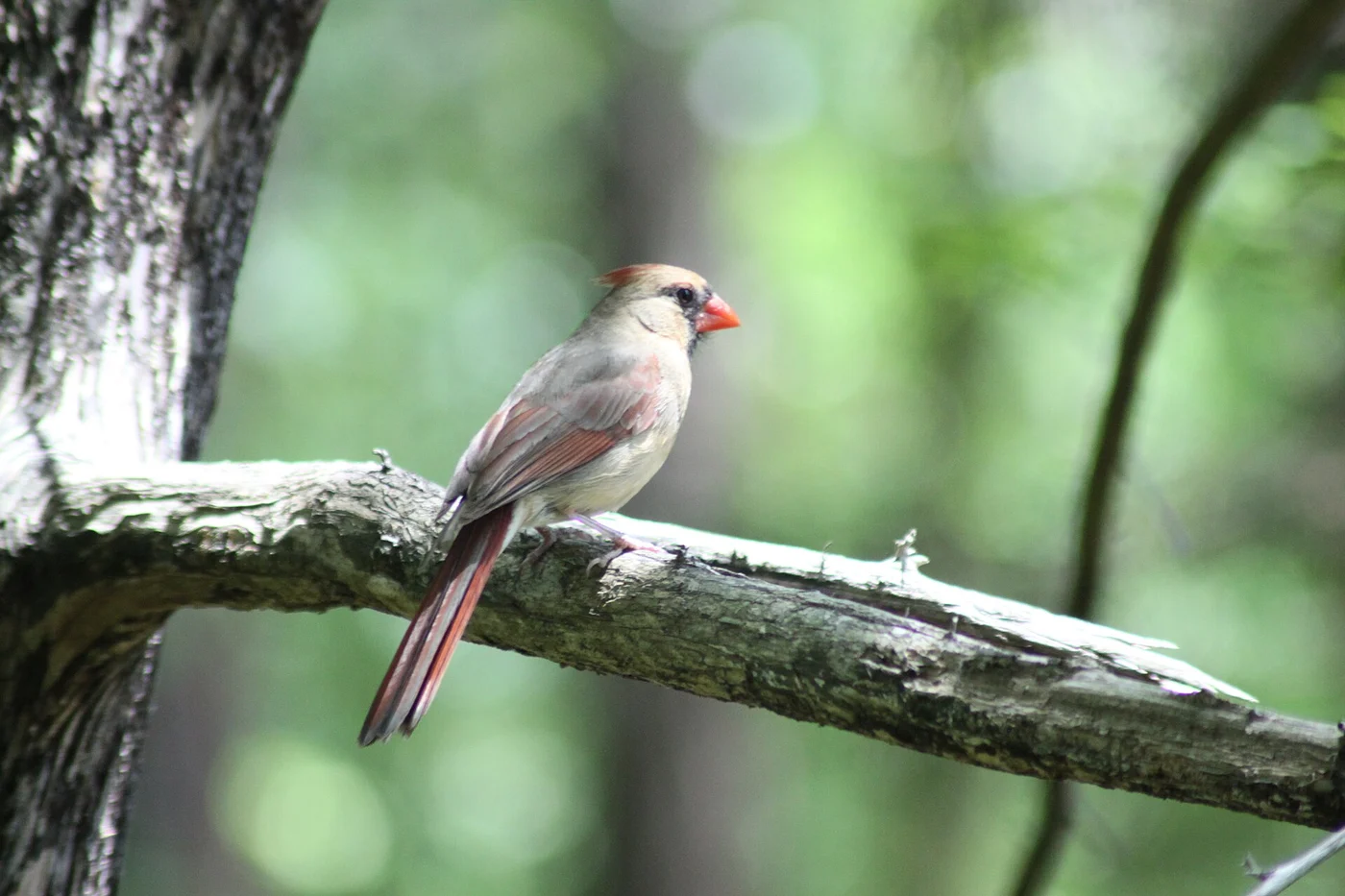
It’s easy to assume birds only thrive in forests and preserves. They don’t. University of Florida researchers note that planted native trees in residential yards provide habitat not only for breeding birds but for migrating species using the city as stopover space — and that urban forests should be valued and conserved as genuine habitat rather than dismissed as second-rate (UF/IFAS Center for Land Use Efficiency).
Live oak (Quercus virginiana) is a standout. Native oaks support an outsized share of the caterpillars and insects that songbirds depend on to raise their young, which is why conservation groups consistently rank oaks among the most valuable trees you can have for birds (National Audubon Society). A single mature canopy oak is, in effect, a multi-story bird feeder, nursery, and shelter that took 80 years to build — and can’t be replaced on a homeowner’s timeline.
For more on keeping these specific trees healthy, see our companion guide on Tallahassee live oak care.
The single most important rule: mind nesting season
Nearly all native birds are protected under the federal Migratory Bird Treaty Act, whether or not they migrate. Under that law it is illegal to destroy an active nest — one with eggs, chicks, or young still dependent on it (U.S. Fish & Wildlife Service). The Florida Fish and Wildlife Conservation Commission’s standing guidance is to do branch trimming during the non-breeding season to avoid disturbing protected birds (FWC).
In North Florida, bird breeding activity runs heavily through spring and into mid-summer. The practical takeaways for a homeowner:
- Schedule major pruning and any non-emergency removal for late fall through winter, the dormant, non-breeding window — which also happens to be a good structural-pruning time for many trees.
- Have the crew check for active nests before any cut, in any season. A quick canopy inspection is standard practice for a careful arborist.
- If an active nest is found, pause the work around that tree until the young have fledged, unless there’s a genuine safety emergency.
Preserve canopy and structure instead of stripping it
A lot of homeowner “tree care” quietly destroys habitat value while looking tidy. Over-thinning (stripping interior foliage, “lion-tailing”) removes exactly the cover and insect-rich leaf surface birds rely on, and it stresses the tree. Topping a big oak is worse still — it triggers weak regrowth, decay, and long-term failure risk.
Responsible canopy work looks like:
- Targeted pruning, not volume pruning. Remove dead, diseased, crossing, or genuinely hazardous limbs — and leave the healthy structure that holds nests and shades the ground.
- Right-sizing the goal. Clearance from a roofline is a legitimate reason to prune; “thinning it out” for its own sake usually isn’t.
- Cabling over cutting where appropriate. A structurally weak but otherwise healthy heritage oak can sometimes be supported rather than removed — see cabling and bracing mature oaks.
If you’re deciding between maintaining a tree and taking it down, our tree removal vs. trimming decision guide and seasonal tree trimming schedule lay out the trade-offs.
Don’t reflexively remove every snag
A “snag” — a standing dead or partly dead tree — looks like a liability, but to wildlife it’s prime real estate. UF/IFAS notes that roughly 40 species of Florida birds nest in the cavities of snags, which also supply insects for woodpeckers and hunting perches for birds of prey. Where a dead tree isn’t a target hazard, leaving it standing (or keeping a 10–15 foot trunk instead of grinding to the ground) preserves real habitat (UF/IFAS Gardening Solutions).
The judgment call is location: a snag at the back of a large lot can stay; a dead tree within striking distance of the house, driveway, or a neighbor’s roof is a different conversation. A tree risk assessment is how you tell those two apart honestly.
When removal is truly necessary
Sometimes a tree does need to come down. Honest reasons include:
- Significant structural failure or decay that can’t be mitigated, with a viable target (people, structures) in the fall zone.
- A dead or dying tree that threatens the house, power lines, or a roadway.
- Disease or pest issues that make recovery unrealistic — common with declining laurel and water oaks locally.
- Storm damage that compromised the trunk or root plate.
Even then, timing and replacement matter: do elective removals outside nesting season where possible, and plan to replant native canopy so the habitat isn’t lost permanently. In Tallahassee, removing certain protected or heritage trees may also require a city or county permit, and canopy-road frontages carry extra rules — start with our Tallahassee tree permit guide and the 100-foot Canopy Road protection-zone rule before any work near a protected tree.
A nod to a local conservation resource
Tallahassee is lucky to have Apalachee Audubon Society — the local National Audubon chapter that has worked since 1963 to protect the bird life and habitat of the Florida Panhandle through education, bird outings, and conservation. They’re an independent nonprofit, not affiliated with us, but if you care about the birds your canopy supports, their resources and bird outings are a great place to learn what’s living in your trees and how to help it thrive. Pairing good tree care with their habitat knowledge is exactly the kind of thing that keeps a canopy city worth the name.
How Tallahassee Tree Service Co. fits in
A quick, honest note on what we are: Tallahassee Tree Service Co. is a dispatch service. We connect local homeowners with independent, licensed, ISA-Certified-arborist professionals in the Big Bend area — we don’t perform the tree work ourselves. That matters here because the difference between habitat-smart work and habitat-careless work usually comes down to who’s holding the saw. If you want the kind of crew that checks for nests, prunes with restraint, and tells you honestly when a tree should stay, that’s who we try to match you with. (Curious how that’s different from a general outfit? See ISA-Certified arborist vs. general tree service.)
Get matched with a habitat-smart arborist
Call now and we’ll connect you with a vetted, licensed local pro for an estimate — no obligation.
📞 Call Now — (858) 319-0022 Independent licensed & ISA-Certified arborist pros · Big Bend & TallahasseeFrequently asked questions
When is the safest time to trim or remove a tree for birds in Tallahassee?
For non-emergency work, late fall through winter — the non-breeding window. North Florida’s bird breeding activity is concentrated in spring and into mid-summer, and FWC recommends doing branch trimming in the non-breeding season to avoid disturbing protected birds. A careful crew also checks for active nests before cutting in any season.
Is it illegal to cut down a tree with a bird nest in it?
It can be. Nearly all native birds are protected under the federal Migratory Bird Treaty Act, and it’s illegal to destroy an active nest containing eggs, chicks, or dependent young. If an active nest is found, the right move is to pause work around that tree until the young fledge — unless there is a genuine safety emergency.
Should I remove a dead tree (snag) from my yard?
Not automatically. Standing dead trees are valuable habitat — roughly 40 Florida bird species nest in snag cavities. If the dead tree isn’t within striking distance of people or structures, leaving it (or keeping a 10–15 foot trunk) preserves habitat. If it is a hazard, a tree risk assessment helps you decide objectively.
Does trimming my live oak hurt the birds that use it?
Light, targeted pruning outside nesting season generally doesn’t. The damage comes from over-thinning, “lion-tailing,” or topping, which strip the cover and insect-rich foliage birds depend on and harm the tree. Remove dead and hazardous limbs; keep the healthy structure.
Do I need a permit to remove a protected or canopy-road tree in Tallahassee?
Possibly. Tallahassee and Leon County regulate certain protected and heritage trees, and canopy roads carry an additional protection zone. Check the city/county rules — or start with our Tallahassee tree permit guide and Canopy Road CRPZ explainer — before doing work near a protected tree.
Sources
- National Audubon Society — Native Plants & birds: audubon.org/native-plants
- UF/IFAS — Conserving Bird Habitat in Cities: blogs.ifas.ufl.edu
- UF/IFAS Gardening Solutions — Wildlife Habitats with Dead Wood (snags): gardeningsolutions.ifas.ufl.edu
- FWC — Birds & living with wildlife: myfwc.com
- U.S. Fish & Wildlife Service — Migratory Bird Treaty Act: fws.gov
- U.S. Fish & Wildlife Service — Bird Nests: fws.gov/story/bird-nests
- Apalachee Audubon Society: apalachee.org
Tallahassee Tree Service Co. is a dispatch service that connects homeowners with independent, licensed, ISA-Certified-arborist professionals; we do not perform tree work directly. This article is general educational information, not legal advice or a regulatory determination — confirm current permit requirements with the City of Tallahassee/Leon County and any nesting-related questions with FWC or the U.S. Fish & Wildlife Service before work begins. Apalachee Audubon Society is an independent nonprofit and is referenced here as a community resource; this article does not imply its endorsement.