After a storm, the insurance question is often as stressful as the tree itself. Florida homeowner policies cover tree damage in specific ways, with important exclusions and a deductible structure that catches many homeowners off guard. This guide explains what’s typically covered, what isn’t, and how to document a claim so it moves quickly.
What Florida Homeowners Insurance Typically Covers
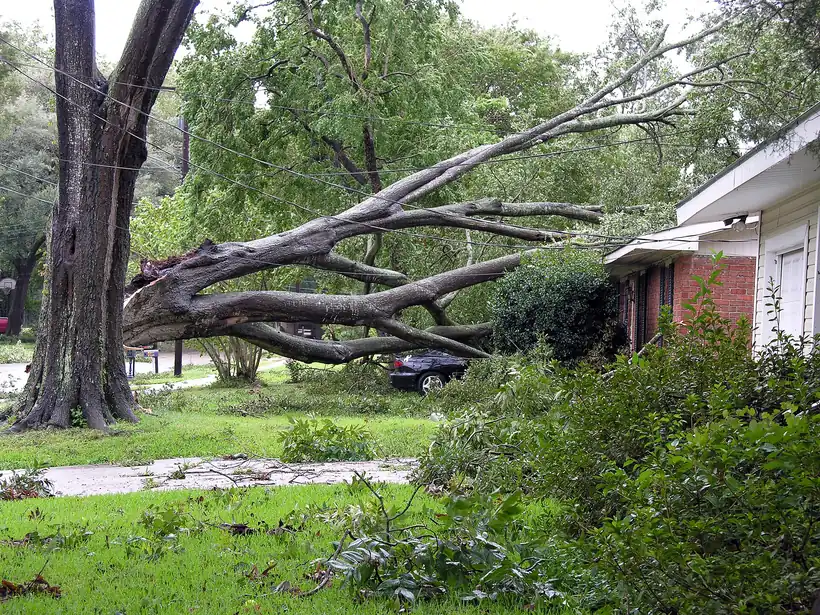
Most policies cover removing a tree from a covered structure it has damaged — the house, garage, or sometimes a fence — plus the repair of that structure and emergency tarping or board-up. A second damaged tree from the same wind event is often included as well. The key trigger is usually that the tree must have hit a covered structure.
Storm damage or a tree on your house? Call now.
Stay out of rooms under the tree and keep clear of downed lines — report those to the power company first. Then call and we’ll connect you with a local tree crew that handles storm work.
📞 Call (858) 319-0022Free 24/7 dispatch line · availability varies by storm volume
What’s Almost Never Covered
A tree that simply fell in the yard without hitting a structure is usually not covered. Stump grinding, replanting, and general yard cleanup are typically treated as cosmetic and excluded. Removal cost is also usually subject to a debris-removal sublimit, even when the structural damage itself is covered more fully.
Hurricane Deductibles Change the Math
Florida policies carry a separate hurricane deductible — typically a percentage of your dwelling coverage rather than a flat amount — which can be substantial. It applies when a named storm causes the damage. If your total damages don’t exceed that deductible, the claim pays nothing, which is why many tree-only claims fall below the threshold.
What Counts as a Hurricane
The hurricane deductible generally applies only to damage from an officially named storm, often within a defined time window around landfall. Damage from an ordinary thunderstorm usually falls under your standard deductible instead — a distinction worth confirming with your carrier.
Documentation That Speeds the Claim
Photograph everything before cleanup — the tree on the structure, the interior damage, the root plate and trunk — and keep dated pre-season photos of your trees to counter a “pre-existing condition” denial. A written, itemized estimate from a licensed arborist and receipts for any emergency mitigation round out a strong file.
For a guided, step-by-step version of this documentation process, work through our free interactive Storm/Tree Damage Insurance Checklist before you call your carrier.
The Adjuster Process and Timing
After you file, an adjuster inspects and the carrier makes an offer. Don’t feel pressured to accept a low first offer — counter with your written arborist estimate and documentation. For the common tactics carriers use and how to push back, see insurance tricks on tree-removal claims.
Storm-damaged tree and a claim to file? Get matched with a licensed Tallahassee arborist Call now code and our 24/7 dispatch line connects you with an ISA-certified, insured arborist in our network serving Tallahassee and Leon County. A real person answers — describe the damage and you’ll be routed to a pro who can provide the written estimate your claim needs. Your quote is between you and the arborist. → Call now to get connected
Related TTS Resources
See storm damage tree removal, emergency tree service, and the Tallahassee Hurricane Tree Prep Hub.
TallahasseeTreeService.co is a dispatch service. We connect callers with licensed Florida arborists. We are not a licensed tree service company. The disclaimer in our site footer and our 24/7 dispatch caveat apply to this page.