Why does Northeast Tallahassee lose so many trees to wind?
The Centerville Road corridor catches open hurricane wind exposure that intown blocks don’t, so pre-season thinning and post-storm response both matter more here. Call now to get matched — after a blow, storm damage tree removal runs 24/7.
Northeast Tallahassee Tree Service for the Centerville Road Corridor
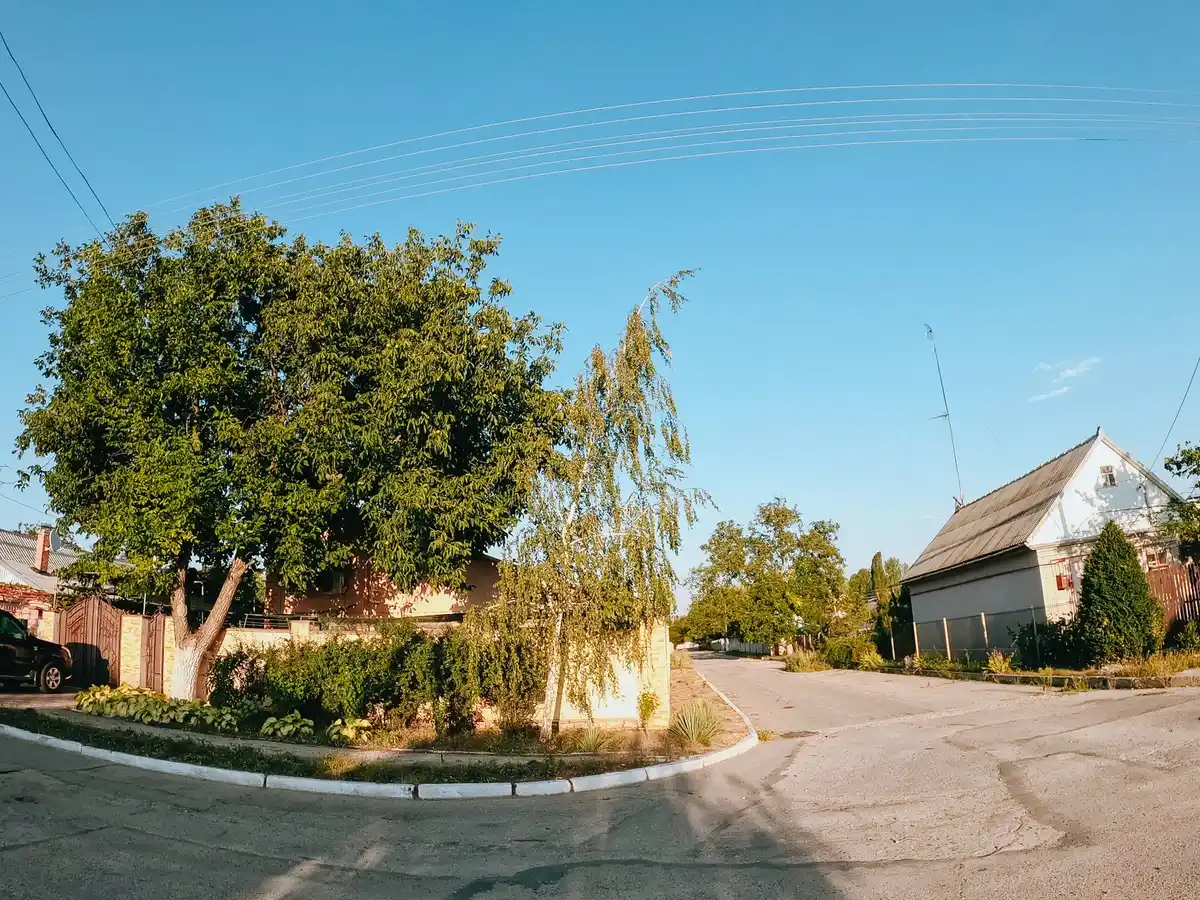
The Centerville Road corridor pushes northeast out of Tallahassee toward the wind exposure zone that hurricane systems hit hardest as they track up the Florida peninsula. Bradfordville, Roberts Road, the Centerville Conservation Area outskirts, the older neighborhoods off Thomasville Road north of I-10 — this is the part of the Tallahassee tree market where pre-hurricane pruning isn’t optional. It’s the only thing standing between your roof and the predictable wind loads of late summer.
We dispatch to this corridor year-round and especially heavy in the May-July pre-storm window. Call now to get matched with a local arborist for a hazard assessment (initial verbal assessment is typically free).
Why Northeast Tallahassee Wind Exposure Is Different
The geography matters. Northeast Tallahassee sits on the open exposure side of the city for the dominant hurricane wind patterns. Storm tracks moving up the Florida peninsula deposit their energy on the east-facing slopes and corridors first. Centerville Road, Bradfordville, and the rolling hills out toward Lake Iamonia get hit with sustained wind loads that western and downtown neighborhoods don’t see at the same intensity.
Combine that with:
- Mature pine populations — the corridor is heavy with slash and loblolly pine, which fail differently than hardwoods under wind
- Mixed hardwood canopy — live oaks, laurel oaks, water oaks, sweetgums, and pecans on the older lots
- Larger lot sizes in the Bradfordville and outer Centerville Road areas — more trees per property, more drop-zone variability
- Older infrastructure — power lines, original-construction wood-frame homes, narrower roads with overhead canopy
The pre-storm work that matters here is identifying the structurally compromised hardwoods, the pine trees with beetle pressure or lightning damage, and the canopy cleanup that reduces wind load on the trees that are otherwise sound.
The Pine Question
Pines are the dominant northeast Tallahassee tree species, especially in the Bradfordville and rural-edge areas. Pine-specific concerns:
Southern pine beetle pressure. Localized outbreaks in the Tallahassee region affect slash and loblolly pine. Once a tree is infested and beyond 30 days, removal is typically the right call — both for the affected tree and to prevent jump-infection of neighbors. See southern pine beetle in North Florida for the diagnostic framework.
Lightning strikes. Pines are the tallest trees in most northeast lots and lightning-prefer-tall. Tallahassee leads Florida in lightning strikes per square mile. See lightning-damaged tree Tallahassee for the post-strike assessment.
Wind-load failure. Tall pines with limited root system extension fail under sustained wind. Pre-storm assessment identifies the candidates.
Longleaf preservation. The remaining longleaf pine on northeast Tallahassee properties is ecological significant and worth aggressive preservation. See longleaf pine care Tallahassee.
The Hardwood Picture
For hardwoods in the corridor:
Live oak: Lower risk in the wind exposure zone than the other oaks because of structural soundness. Preservation candidates. Crown management every 5-7 years.
Laurel oak: Aging laurel oaks in the failure window. See why Tallahassee laurel oaks are failing.
Water oak: Hypoxylon canker pressure. See water oak removal Tallahassee.
Sweetgum and pecan: Structurally fine in most cases, manage for litter and storm cleanup.
Canopy Road and Conservation Coordination
Centerville Road itself is a Tallahassee canopy road. The 100-foot Canopy Road Protection Zone (CRPZ) applies from the centerline. Tree work within that zone has additional City of Tallahassee permitting requirements. See canopy road tree work and the 100-foot CRPZ rule.
Properties bordering the Centerville Conservation Area or the Bradford Brook headwaters may have additional conservation easement coordination required. The arborist you’re matched with can work within these constraints.
For Leon County permits outside city limits (much of the Bradfordville corridor): Leon County §10-4.362 applies. Permit filing is typically handled as part of the quote.
The Pre-Storm Work That Matters
What a licensed arborist will typically recommend on a northeast Tallahassee pre-hurricane assessment:
- Pine hazard identification. Beetle-pressure pines, lightning-damaged pines, structurally questionable pines flagged for action.
- Hardwood structural assessment. Codominant leaders with included bark, hollow trunks, root crown decay.
- Deadwood removal across all species. Standard storm-prep work that reduces falling-debris risk significantly.
- End-weight reduction on cantilevered limbs. Hurricane wind loads concentrate on horizontal limb tips. Selective tip pruning reduces failure probability.
- Cabling on borderline trees. When removal isn’t ready but structure is questionable, ANSI A300 cabling buys time. See cabling and bracing.
- Documentation. Pre-storm photos with the homeowner’s name on the file — if a claim becomes necessary later, the pre-storm documentation matters.
The framework is in pre-hurricane tree inspection Tallahassee and June 12-point homeowner walk. The full before-storm timeline is in before hurricane tree checklist.
Storm Response
When a storm hits and the northeast Tallahassee corridor takes the impact, our dispatch line connects you with:
- 24/7 emergency dispatch for tree-on-structure events (subject to provider availability) — see 24/7 emergency tree service Tallahassee
- Carrier-direct billing on covered events, handled by the provider — see Tallahassee insurance tree removal
- Storm cleanup capacity for multi-tree events — see storm damage tree removal Tallahassee
- Crane availability for trees-on-structures requiring extraction, where the matched provider has that equipment — see crane tree removal Tallahassee
What Northeast Tallahassee Tree Work Costs
Pricing tracks the standard Tallahassee framework, with two corridor-specific factors:
- Larger lot sizes can mean more trees per assessment and lower per-tree cost in volume
- Heavier pine population means pine-specific work (chipping, hauling pine debris) factors into pricing
Final pricing is set by the licensed provider who quotes your job. The full pricing framework is in Tallahassee tree removal cost and Tallahassee arborist cost.
Why Call Us
We match you with an ISA-certified arborist for every northeast Tallahassee job. Pre-storm assessment expertise for the wind exposure zone. Pine and hardwood diagnostic capability. CRPZ and conservation easement coordination. City and Leon County permit filing typically at no extra charge. Storm response capacity, subject to provider availability.
Call now for an arborist walkthrough.
Northeast Tallahassee Tree Service — FAQ
Why does NE Tallahassee need more pre-storm tree work?
The Centerville Road corridor sits on the open wind exposure side of the city for the dominant hurricane storm tracks. Pre-storm pruning and hazard removal matters more here than in protected downtown neighborhoods.
How much does a pine removal cost on a large lot?
Pricing tracks tree size, access, and whether crane is required for trees over structures, and is set by the provider. Get Connected.
Do you handle Leon County permits outside city limits?
Yes — Leon County §10-4.362 permit filing is typically handled at no extra charge for protected species and threshold trees.
What about Centerville Road canopy road work?
The CRPZ adds permit requirements within 100 feet of the canopy road centerline. The arborist you’re matched with handles the coordination.
Can you do multi-tree pre-hurricane assessments?
Yes — large-lot properties with 8-20 trees in scope are a regular part of the work we dispatch for. Initial verbal assessment is typically free.
How fast can you respond after a storm in the corridor?
24/7 dispatch on tree-on-structure emergencies, subject to provider availability. Multi-day storm response capacity for area-wide events.